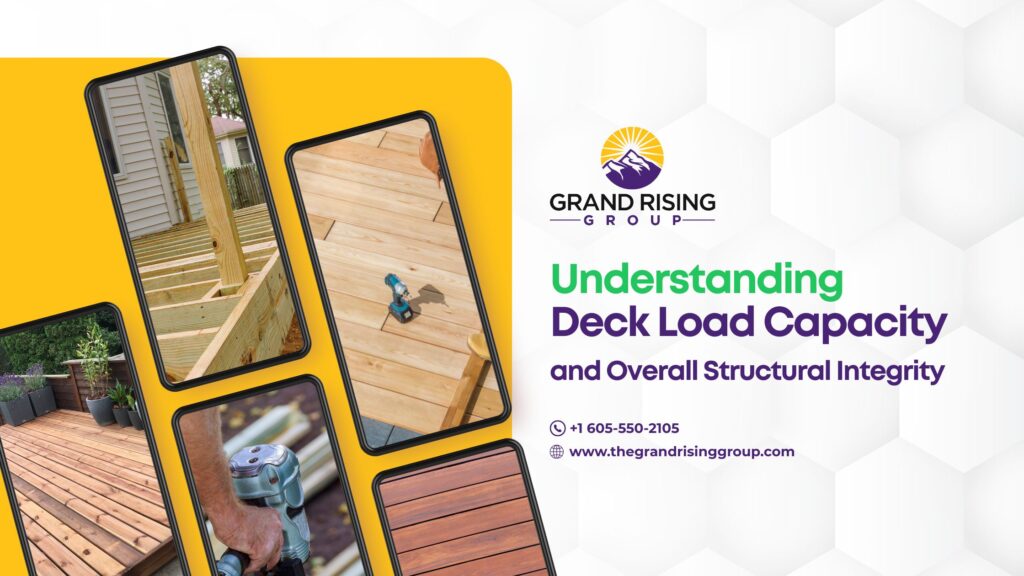

A deck is one of the most valuable outdoor features a homeowner can add to a property. It creates space for relaxation, entertaining, dining, and enjoying the outdoors. However, beneath every beautiful deck lies a critical factor that directly impacts safety and performance: deck load capacity. Understanding how much weight a deck can safely support is essential for preventing structural failures and ensuring long term durability.
Many homeowners focus on deck appearance, materials, and accessories while overlooking the structural components that keep the deck safe. Whether you are building a new deck, renovating an existing one, or adding heavy features such as hot tubs and outdoor kitchens, understanding deck load capacity is crucial.
This guide explains what deck load capacity means, what influences it, and how homeowners can maintain the structural integrity of their decks for years to come.

What Is Deck Load Capacity?
Simply put, deck load capacity refers to the amount of weight a deck can safely support without experiencing structural problems.
This includes the weight of people, furniture, grills, planters, outdoor kitchens, and other items placed on the deck. Engineers and builders calculate load capacity to ensure the structure can handle both everyday use and unexpected weight loads.
A properly designed deck should provide a safe margin of support beyond typical usage conditions.
Why Deck Load Capacity Matters
The importance of deck load capacity cannot be overstated.
An overloaded deck may experience sagging, cracking, loose connections, or even catastrophic failure. Structural problems can lead to injuries, property damage, and expensive repairs.
Understanding load limits helps homeowners make informed decisions when adding furniture, outdoor appliances, or recreational features to their decks.
Safety should always be the top priority.
Types of Loads on a Deck
Several different types of loads contribute to overall deck load capacity requirements.
Dead Load
Dead load refers to the weight of the deck itself, including decking boards, framing, railings, stairs, and other permanent structural components.
Live Load
Live load includes temporary weight such as people, furniture, grills, and movable objects.
Environmental Load
Environmental loads include snow accumulation, rain, wind forces, and other weather related factors that place additional stress on the structure.
Understanding all three load categories is essential for accurate deck design.
Key Factors That Affect Deck Load Capacity
Several structural elements directly influence deck load capacity.
Joist Size and Spacing
Deck joists are horizontal framing members that support the decking surface. Larger joists and proper spacing improve strength and load distribution.
Beam Strength
Beams support the joists and transfer weight to the deck’s support posts. Strong beams play a critical role in maintaining structural integrity.
Support Posts
Support posts transfer deck loads to the foundation. Properly sized and installed posts help ensure safe weight distribution.
Footings and Foundations
The foundation system provides stability and prevents settlement. Adequate footings are essential for maintaining overall deck performance.
Building Codes and Load Requirements
Most local building codes establish minimum deck load capacity standards.
Residential decks are generally designed to support specific live load and dead load requirements based on local regulations. Building codes help ensure decks can safely accommodate expected usage conditions.
Compliance with applicable codes is essential for both safety and legal requirements.
How Deck Materials Impact Strength
Material selection significantly affects deck load capacity.
Pressure treated lumber, cedar, hardwoods, steel framing, and composite materials each have unique strength characteristics. High quality materials typically offer better performance and durability.
However, even strong materials require proper design and installation to achieve their full structural potential.
Common Signs of Structural Problems
Homeowners should monitor their decks for warning signs that may indicate reduced deck load capacity.
Common issues include:
- Sagging deck surfaces
- Loose railings
- Cracked support posts
- Bouncy or flexible deck boards
- Rusted connectors
- Visible wood rot
- Shifting or uneven sections
Prompt attention to these problems can prevent more serious structural concerns.
The Impact of Moisture Damage
Moisture is one of the greatest threats to deck load capacity.
Water intrusion can lead to wood rot, mold growth, corrosion of metal fasteners, and deterioration of structural components. Over time, moisture damage weakens the deck’s ability to safely support weight.
Regular maintenance and proper drainage help minimize moisture related risks.
Adding Heavy Features to a Deck
Many homeowners enhance outdoor spaces with hot tubs, outdoor kitchens, fireplaces, and large seating areas. These additions can significantly impact deck load capacity.
Before installing heavy features, it is important to verify that the structure can safely support the added weight. In some cases, reinforcement or structural modifications may be necessary.
Professional evaluation is strongly recommended for major additions.
Regular Inspections Are Essential
Routine inspections play a key role in preserving deck load capacity.
Homeowners should inspect their decks at least once or twice per year for signs of wear, damage, or structural deterioration. Areas where the deck connects to the house deserve particular attention.
Early identification of issues allows for timely repairs and helps prevent costly damage.
Importance of Professional Assessments
While visual inspections are valuable, professional evaluations provide a more comprehensive assessment of deck load capacity.
Experienced contractors and structural professionals can identify hidden weaknesses, verify code compliance, and recommend improvements when necessary.
Professional assessments are especially important for older decks or structures supporting heavy loads.
Maintaining Structural Integrity
Protecting deck load capacity requires ongoing maintenance and care.
Key maintenance practices include:
- Cleaning debris regularly
- Sealing wood surfaces
- Replacing damaged boards
- Tightening loose fasteners
- Maintaining proper drainage
- Addressing moisture issues promptly
Consistent maintenance helps preserve structural strength and extend deck lifespan.
Final Thoughts
Understanding deck load capacity is essential for ensuring the safety, durability, and long term performance of any deck. From framing components and support posts to foundations and materials, every structural element plays a role in supporting weight safely.
By following building codes, performing regular inspections, addressing maintenance needs, and consulting professionals when necessary, homeowners can protect their investment and enjoy their outdoor spaces with confidence.
A structurally sound deck not only enhances outdoor living but also provides peace of mind knowing that family, friends, and guests can gather safely for years to come.
FAQs
1. What is deck load capacity?
Deck load capacity refers to the maximum weight a deck can safely support.
2. Why is deck load capacity important?
It helps ensure the deck remains safe and structurally sound under normal and heavy usage conditions.
3. What affects deck load capacity?
Factors include joist size, beam strength, support posts, footings, materials, and overall design.
4. Can I add a hot tub to my deck?
Possibly, but the deck should be evaluated to confirm it can safely support the additional weight.
5. How can I tell if my deck has structural problems?
Signs include sagging, loose railings, cracked posts, wood rot, and excessive movement.
6. Does moisture affect deck strength?
Yes, moisture can cause wood rot, corrosion, and structural deterioration.
7. How often should a deck be inspected?
At least once or twice per year, with additional inspections after severe weather events.
8. Should I hire a professional to evaluate my deck?
Yes, professional assessments are recommended for older decks, heavy additions, or any suspected structural concerns.