
Choosing the right air filter is an important part of maintaining a comfortable and efficient home. The best air filter for HVAC systems can help capture dust, pollen, pet dander, and other airborne particles while supporting proper airflow through your heating and cooling system.
With so many filter types, sizes, and ratings available, choosing the right option can sometimes feel confusing. Homeowners need to consider their HVAC system, indoor air quality needs, household conditions, and recommended filter specifications before making a decision.
This guide explains how to choose the best air filter for HVAC systems and what factors to consider before purchasing one.
Why Choosing the Right HVAC Air Filter Matters
An air filter does more than simply collect dust.
The best air filter for HVAC systems can help improve indoor air quality while preventing excessive dust and debris from entering the HVAC equipment. A suitable filter can also support efficient system operation by allowing appropriate airflow.
Choosing the correct filter helps balance filtration performance and HVAC efficiency.
Check Your HVAC Filter Size
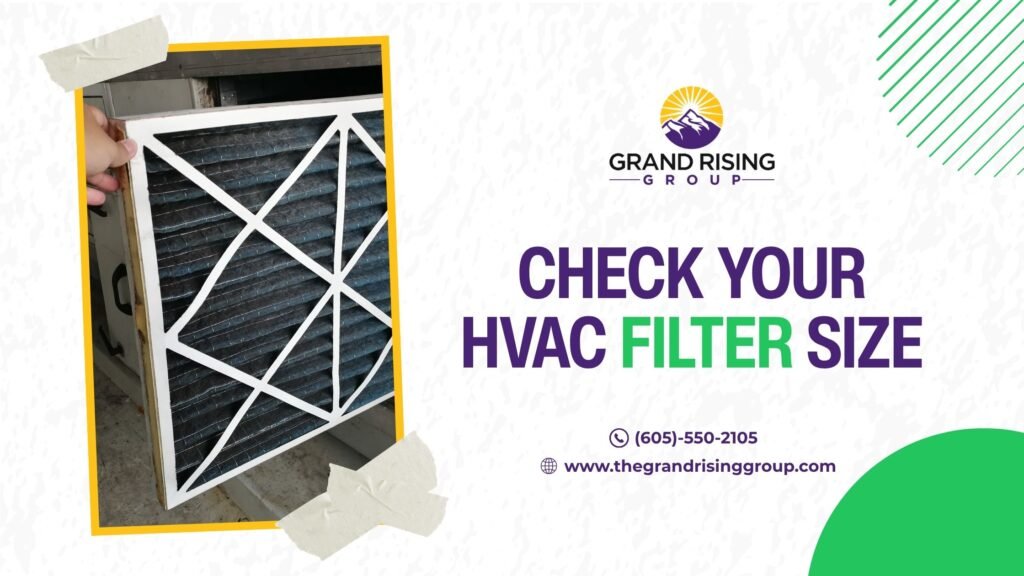
Before selecting a filter, determine the exact size required by your HVAC system.
Air filters are available in different dimensions and thicknesses. Check the existing filter for its size or refer to your HVAC manufacturer’s recommendations.
Using the correct size ensures the filter fits properly and prevents air from bypassing the filtration material.
Understand MERV Ratings
MERV, or Minimum Efficiency Reporting Value, is commonly used to indicate how effectively an air filter captures certain airborne particles.
Higher MERV ratings generally provide greater filtration, but that does not automatically mean a higher rating is the best air filter for HVAC systems.
Some HVAC systems may not be designed to handle the increased airflow resistance associated with very high filtration levels. Always consider your system’s specifications before selecting a high-MERV filter.
Consider Your Indoor Air Quality Needs
Every household has different indoor air quality requirements.
If your home experiences significant dust, has pets, or is located in an area with elevated outdoor pollution, you may want a filter designed to capture smaller airborne particles.
Consider your household conditions when deciding which filtration level is appropriate.
Choose Between Disposable and Reusable Filters
Homeowners can choose between disposable and reusable HVAC filters.
Disposable filters are convenient because they can simply be replaced when they become dirty. Reusable filters can be washed and reused according to the manufacturer’s instructions.
Consider maintenance requirements, cost, convenience, and manufacturer recommendations before choosing between the two.
Look for Good Airflow
Airflow is an essential consideration when choosing the best air filter for HVAC systems.
A filter that is too restrictive can make the HVAC system work harder to move air throughout the home. This may reduce efficiency and place additional strain on the equipment.
Choose a filter that provides the level of filtration your household needs without unnecessarily restricting airflow.
Consider Pet Owners
Pets can contribute hair, dander, and other particles to indoor air.
If you have cats or dogs, consider an air filter designed to capture pet-related particles. Regular filter replacement is also particularly important in homes with pets.
Keeping the filter clean can help maintain proper airflow and filtration performance.
Think About Allergies and Dust
Households dealing with significant dust or airborne allergens may benefit from a filter with stronger particle-capturing capabilities.
However, filtration should still be compatible with the HVAC system. Consult your HVAC manufacturer’s recommendations if you are unsure which rating is suitable.
The goal is to improve air quality without compromising system performance.
Check the Filter Material
HVAC filters are made from different materials.
Fiberglass, pleated synthetic, polyester, and other filter materials offer different levels of filtration and durability. Pleated filters are widely used because their larger surface area can provide effective particle capture.
Review the product specifications before choosing a filter.
Consider Filter Replacement Frequency
Even the best air filter for HVAC systems needs to be replaced or cleaned regularly.
How often a filter should be replaced depends on the filter type, household conditions, HVAC usage, pets, and indoor air quality needs.
Check the manufacturer’s recommendations and inspect the filter regularly for visible dirt and buildup.
Avoid Choosing a Filter Based Only on Price
The cheapest filter is not necessarily the most suitable option.
A low-cost filter may have different filtration capabilities, while a premium filter may offer features that are unnecessary for your HVAC system.
Instead of focusing only on price, consider filtration performance, compatibility, airflow, maintenance requirements, and replacement frequency.
Follow Your HVAC Manufacturer’s Recommendations
Your HVAC manufacturer’s specifications should always be considered when selecting an air filter.
The system may have specific requirements regarding filter size, thickness, and filtration level. Following these recommendations can help protect the equipment and maintain appropriate airflow.
When in doubt, consult a qualified HVAC professional.
Conclusion
Choosing the best air filter for HVAC systems requires more than simply selecting the highest-rated or most expensive filter. Homeowners should consider filter size, MERV rating, airflow, filter material, indoor air quality needs, household conditions, and manufacturer recommendations.
The right filter can help capture airborne particles while supporting efficient HVAC operation. Regular inspection and timely replacement are equally important for maintaining good airflow and keeping your heating and cooling system working properly.
By choosing a filter that matches both your home’s needs and your HVAC system’s requirements, you can support a cleaner, more comfortable, and efficiently maintained indoor environment.
FAQs
1. What is the best air filter for HVAC systems?
The best filter depends on your HVAC system, household conditions, desired filtration level, and manufacturer’s recommendations.
2. What does a MERV rating mean?
MERV stands for Minimum Efficiency Reporting Value. It indicates how effectively an air filter captures certain airborne particles.
3. Is a higher MERV rating always better?
No. A very high MERV rating can restrict airflow in some HVAC systems. Choose a rating that is appropriate for your equipment.
4. How often should I replace my HVAC air filter?
Replacement frequency varies depending on the filter, HVAC usage, household conditions, pets, and indoor air quality needs. Follow the manufacturer’s recommendations and inspect the filter regularly.
5. Are pleated air filters good for HVAC systems?
Pleated filters are a popular option because their increased surface area can provide effective particle filtration while supporting appropriate airflow when correctly selected.
6. What air filter is best for homes with pets?
Homes with pets may benefit from filters designed to capture pet hair, dander, and other airborne particles. Regular replacement is also important.
7. Can the wrong air filter damage an HVAC system?
A poorly fitting or excessively restrictive filter can interfere with airflow and may place additional strain on the system. Always use the size and specifications recommended for your HVAC equipment.
8. How do I choose the right HVAC filter?
Check the required filter size, consider the appropriate MERV rating, evaluate your indoor air quality needs, and follow your HVAC manufacturer’s recommendations before purchasing a filter.