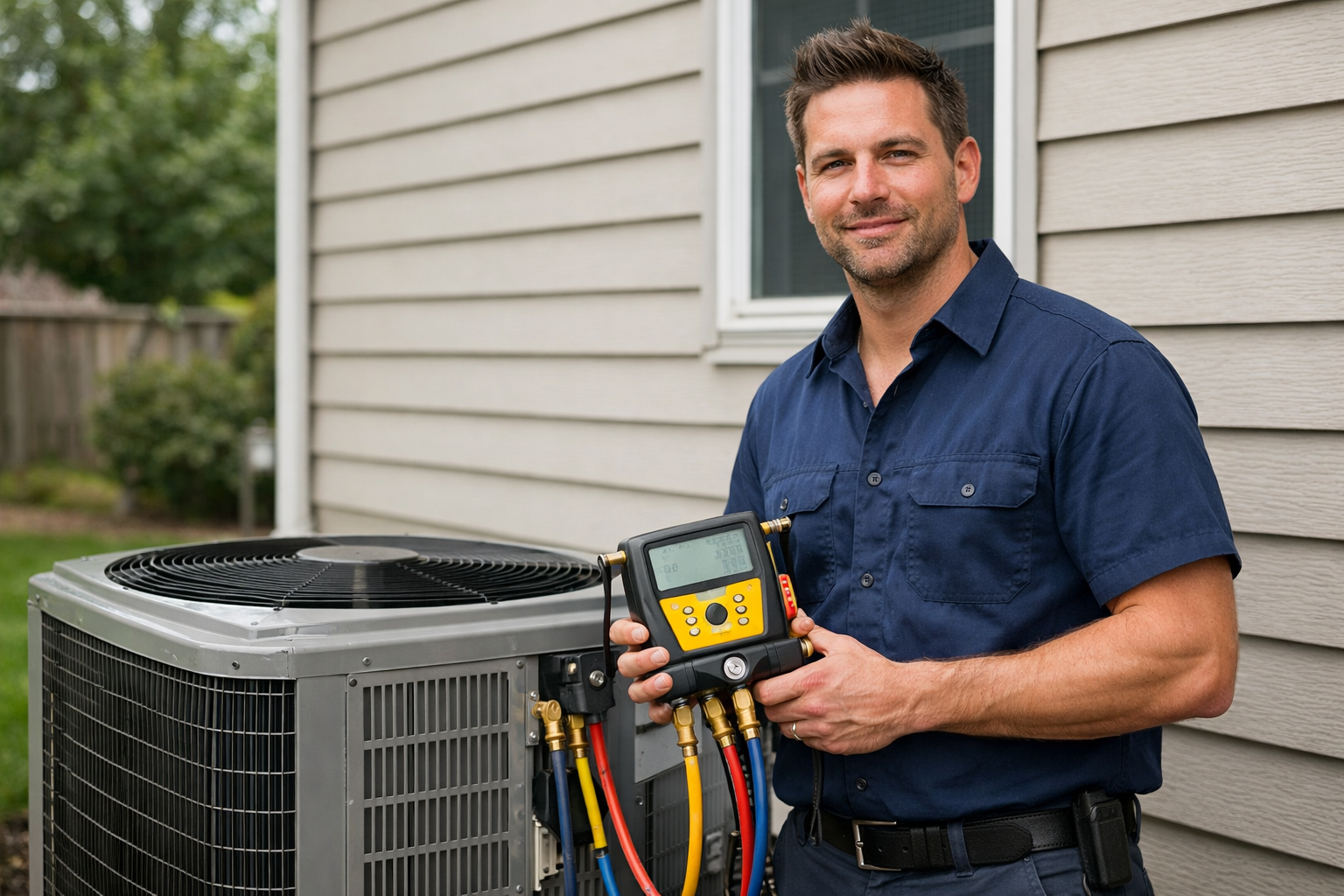

A home’s heating and cooling system plays a major role in both comfort and energy consumption. Upgrading to a modern HVAC system is one of the most effective ways to improve HVAC energy efficiency, reduce monthly utility bills, and create a healthier indoor environment. Today’s systems are designed with advanced technology that delivers better performance while using less energy.
Whether you’re replacing an outdated unit or installing a new system in a recently built home, improving HVAC energy efficiency offers long-term financial and environmental benefits. High-efficiency equipment, smart controls, and proper installation work together to maximize comfort throughout every season.
This guide explains how a new HVAC system can improve HVAC energy efficiency and help homeowners enjoy a more comfortable and cost-effective home.
Why HVAC Energy Efficiency Matters
Improving HVAC energy efficiency benefits both homeowners and the environment.
Efficient systems use less electricity or fuel while maintaining comfortable indoor temperatures. This reduces utility costs, lowers carbon emissions, and helps extend the lifespan of your heating and cooling equipment.
Greater efficiency means greater savings.
Upgrade to a High-Efficiency HVAC System
One of the best ways to improve HVAC energy efficiency is by installing a modern high-efficiency unit.
New HVAC systems are designed to consume less energy while delivering superior heating and cooling performance compared to older equipment.
Modern technology improves overall system performance.
Choose the Right System Size
Proper sizing is essential for maximizing HVAC energy efficiency.
An oversized or undersized system may cycle improperly, waste energy, and reduce indoor comfort. A professional load calculation helps determine the ideal system for your home.
Correct sizing improves efficiency and reliability.
Install a Smart Thermostat
Smart thermostats help improve HVAC energy efficiency by automatically adjusting temperatures based on your schedule.
Programmable settings reduce unnecessary heating and cooling while keeping your home comfortable when occupied.
Automation leads to lower energy use.
Improve Home Insulation
Good insulation supports better HVAC energy efficiency.
Well-insulated walls, ceilings, and attics reduce heat loss during winter and minimize heat gain during summer, allowing the HVAC system to work less.
Proper insulation improves overall comfort.
Seal Air Leaks
Air leaks reduce HVAC energy efficiency by allowing conditioned air to escape.
Seal gaps around doors, windows, ductwork, and other openings to maintain consistent indoor temperatures and reduce energy waste.
Sealing leaks helps lower utility bills.
Replace Air Filters Regularly
Clean filters are essential for maintaining HVAC energy efficiency.
Dirty filters restrict airflow, forcing the HVAC system to work harder. Replacing filters regularly improves airflow, indoor air quality, and system performance.
Routine maintenance keeps equipment operating efficiently.
Upgrade Your Ductwork
Damaged or leaking ducts reduce HVAC energy efficiency.
Properly sealed and insulated ductwork delivers conditioned air more effectively while minimizing energy loss throughout the home.
Efficient ducts improve system performance.
Schedule Professional Maintenance
Routine maintenance helps preserve HVAC energy efficiency.
Annual inspections allow technicians to clean components, check refrigerant levels, inspect electrical connections, and ensure the system operates at peak efficiency.
Preventive maintenance extends equipment life.
Use Energy Efficient Windows
Modern windows complement HVAC energy efficiency by reducing unwanted heat transfer.
Energy-efficient windows help maintain indoor temperatures and reduce the workload placed on your heating and cooling system.
Improved windows increase year-round comfort.
Take Advantage of Zoned Heating and Cooling Materials
Zoning systems improve HVAC energy efficiency by heating or cooling only occupied areas.
Separate temperature controls allow homeowners to avoid wasting energy in unused rooms while maintaining comfort where it is needed most.
Zoning provides greater control and savings.
Monitor Energy Usage
Monitoring your energy consumption helps maintain HVAC energy efficiency.
Smart home technology and utility monitoring tools allow homeowners to identify opportunities for additional energy savings throughout the year.
Tracking performance encourages efficient operation.
Conclusion
Improving HVAC energy efficiency with a new HVAC system is a smart investment that provides lasting comfort, lower utility bills, and greater home value. Choosing an energy-efficient unit, installing a smart thermostat, improving insulation, sealing air leaks, and scheduling regular maintenance all contribute to better performance and long-term savings.
With thoughtful planning and professional installation, homeowners can enjoy reliable heating and cooling while significantly reducing energy consumption.
FAQs
1. What is HVAC energy efficiency?
HVAC energy efficiency refers to how effectively a heating and cooling system provides comfort while using the least amount of energy.
2. Does a new HVAC system reduce energy bills?
Yes. Modern high-efficiency HVAC systems consume less energy, helping reduce monthly utility costs.
3. How often should HVAC filters be replaced?
Most air filters should be replaced every one to three months, depending on usage and indoor air quality.
4. Does a smart thermostat improve HVAC energy efficiency?
Yes. Smart thermostats automatically adjust temperatures to reduce unnecessary energy consumption.
5. Why is proper HVAC sizing important?
A properly sized system operates more efficiently, provides better comfort, and avoids unnecessary energy waste.
6. Does insulation affect HVAC energy efficiency?
Yes. Good insulation reduces heat transfer and helps the HVAC system maintain comfortable temperatures with less effort.
7. How often should HVAC maintenance be performed?
Professional HVAC maintenance is recommended at least once a year to maintain peak performance and efficiency.
8. Is upgrading to an energy-efficient HVAC system worth it?
Yes. Improved comfort, lower operating costs, increased system reliability, and long-term energy savings make upgrading a worthwhile investment.