
Small spaces don’t have to be tight and limited. The appropriate paint colors for small rooms can improve the look of your area, making it feel brighter, more open and more inviting. A good choice of color can make even the smallest room appear larger, without any structural adjustments.
Choosing the proper paint colors for small rooms can help you maximize natural light, improve visual flow, and create a comfortable ambiance whether you are remodeling a bedroom, living room, bathroom, or home office. When paired with smart décor and lighting, the proper paint color may make all the difference in your house.
In this post, we will look at the best paint colors for small rooms that help homeowners make bright, roomy and trendy interiors.
Choose Crisp White to Maximize Light Reflection
The appropriate paint colors for small rooms can go a long way toward making a room feel more expansive.
Lighter colors reflect more natural and artificial light, thereby banishing dark corners and making a room look bigger. The appropriate color palette also boosts comfort and enhances the overall look of your home.
Every room feels more appealing with a sensible color choice.
Choose Crisp White to Maximize Light Reflection
White is still one of the most popular paint colors for small rooms.
Bright white walls bounce light to push walls visually apart. Pairing clean white shades with our professional interior painting services ensures smooth, even coats that maximize room brightness without glare or streaks.
Add Soft Beige Hues for Warmth and Subtle Depth
Paint colors for small rooms – Another good option is soft beige.
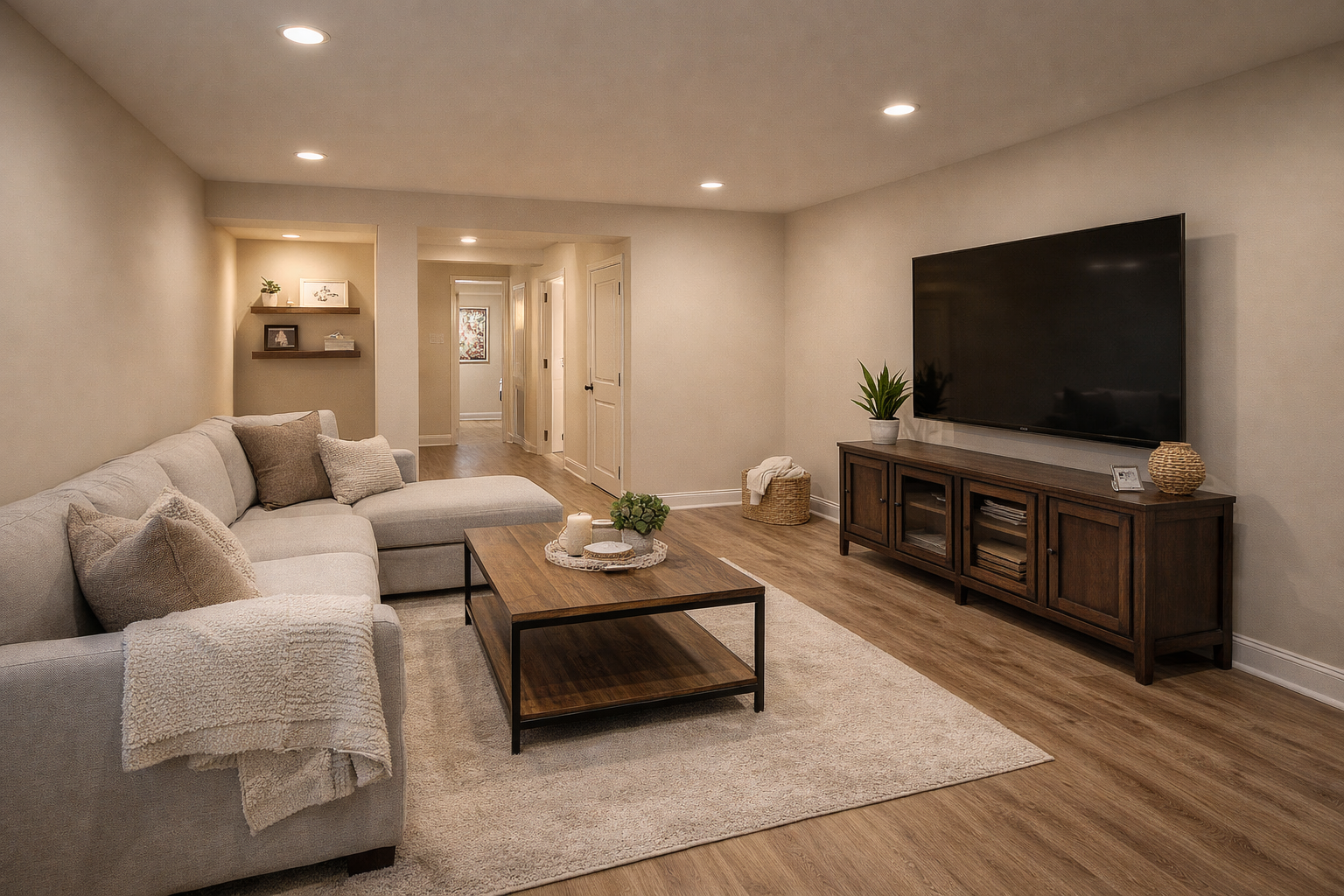
Warm neutrals are a great way to create a comfortable atmosphere that still feels light and spacious. Beige goes well with wood finishes and natural textures.
Neutral tones make a room feel warm, but not smaller.
Select Light Gray Tones for Modern Sophisticated Interiors
Light gray is the contemporary version of white.
Light gray is one of the most flexible paint colors for small rooms. It provides a sophisticated look and reflects a lot of light, which is why many homeowners opt for it.
Gray adds refinement without dominating the room.
Use Soft Blue Tints to Create an Expansive Airy Feeling
The soft blue color makes the room feel peaceful and expansive.
Pale blue reflects ambient light while calming the mind. Understanding the basics of color psychology in home design helps you select cool undertones that open up compact bedrooms and make cramped spaces feel restful.

Incorporate Soft Green Shades for a Refreshing Natural Look
Soft greens offer a new touch to small interiors.
Nature inspired paint colors for small rooms creates a peaceful environment and still keeps the area bright and visually appealing.
Green is a good colour to use with nature elements and plants.
Consider Pale Greige for a Versatile Neutral Balance
Greige is a versatile color that’s a mix of gray and beige.
Pale greige is now a popular paint color for small rooms choice since it works with both warm and cool decors and helps a room to feel more open.
Greige works well with a lot of décor styles.
Paint Ceilings in Lighter Shades to Create Vertical Height
A lighter shade on the ceiling helps to make the room feel taller.
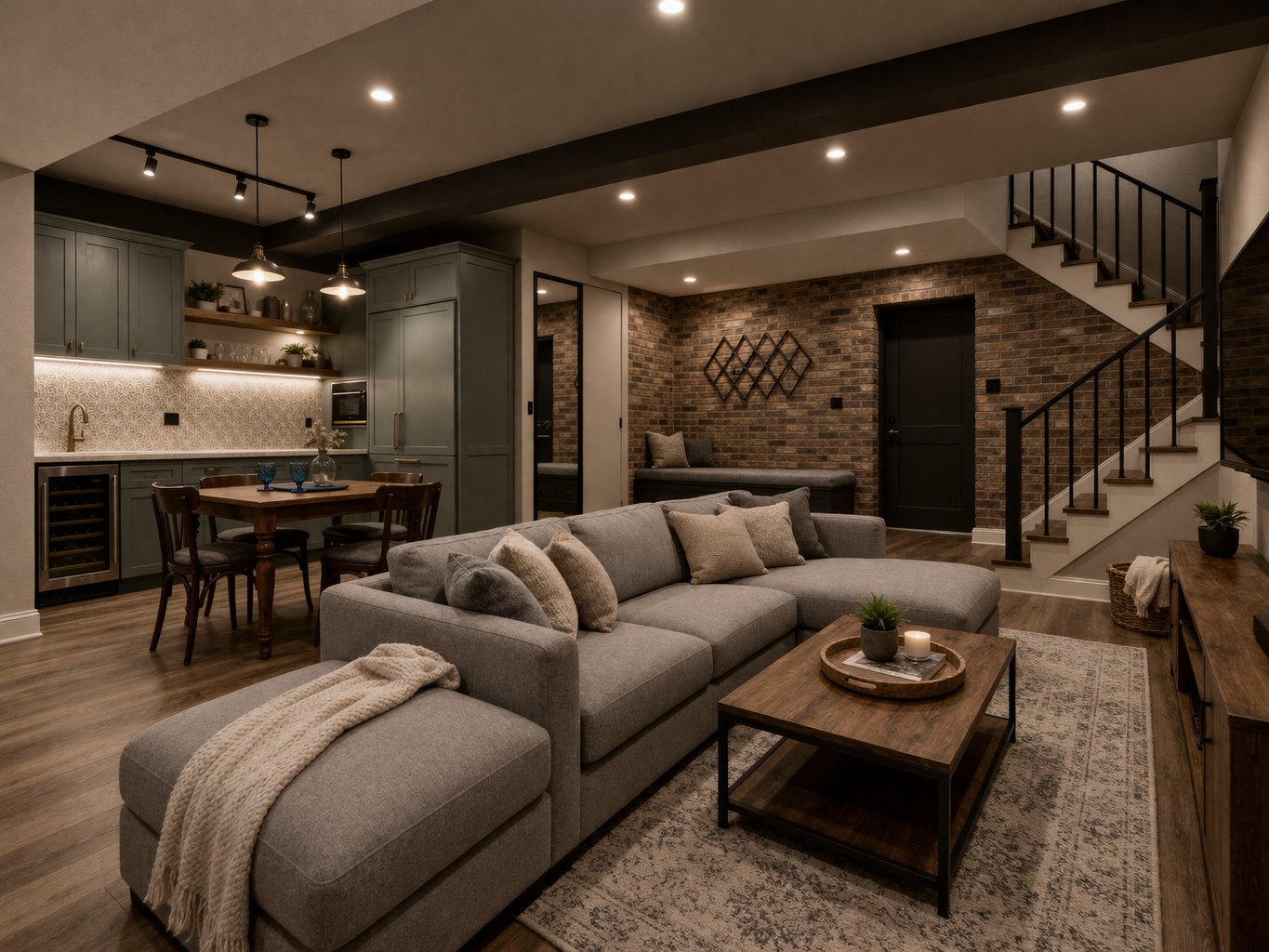
Pairing light ceiling tones with soft walls creates the illusion of higher ceilings. For lower-level spaces, exploring creative basement ceiling ideas can provide smart finishes and recessed illumination that prevent rooms from feeling closed in..
Apply Monochromatic Color Schemes to Eliminate Visual Breaks
A uniform color scheme makes a tiny space appear larger.
By matching walls, trim and décor with similar paint colors for small rooms you avoid visual obstructions and create a seamless look.
Simple color transitions make it easier to flow the eye.
Maximize Natural Lighting to Enhance Wall Color Brightness
Paint colors function even better when paired with natural light.
Combine the best paint colors for small rooms with huge windows, mirrors and light drapes to make the whole area light up.
In natural light all the colors are there.
Coordinate Furniture Finishes With Wall Paint Undertones
Paint should compliment your furnishings and decor.
Selecting coordinated flooring and cabinetry completes your room’s aesthetic. We integrate finishes into our comprehensive home improvement solutions so every fixture, floor, and wall shade works together seamlessly.
Limit Visual Clutter to Keep Small Painted Spaces Open
Minimalist decorating helps paint colors work even better.
Paint colors for small rooms look best when the space is uncluttered, has clean lines and simple furnishings.
Minimalism makes the space appear larger.
Final Thoughts on Choosing Paint Colors for Compact Spaces
The right paint palette transforms compact rooms into expansive retreats. Delivering this level of visual impact is why homeowners trust our experienced team for reliable home transformations and detailed finishes across South Dakota.
Whether updating a single room or planning a whole-home refresh, our specialists are ready to guide your selection. You can schedule a professional consultation with us today to find the perfect color scheme for your property.
FAQs
1. Best paint colors for small rooms
White, light grey, soft beige, delicate blue, gentle green and greige are among the nicest.
2. Do light paint colors make tiny spaces look bigger?
Yes. Light hues reflect more light and make a room appear larger.
3. Should the ceiling be the same color as the walls?
A lighter ceiling frequently makes a space feel taller, yet matching hues can provide a seamless look as well.
4. Is it OK to use dark hues in small rooms?
You can use dark colors for accent walls, but paint colors for small rooms that are light will often make a place appear larger.
5. Which wall finish is ideal for tiny rooms?
Eggplant and satin finishes are popular because they reflect light gently but are still sturdy.
6. Can Painting Alone Make a Room Look Bigger?
Good lighting, mirrors, simple decor and paint go a long way.
7. What paint colors go best with natural light?
Natural light looks wonderful in white, beige, light gray and soft blue.
8. How to Choose the Best Paint Colors for Small Rooms?
Before choosing a color palette, think about the natural light, the current décor, the colors of your furniture, the function of the room and the overall style of your home.