
Heating and cooling systems are essential for maintaining indoor comfort throughout the year. Whether keeping a home warm during winter or cool during summer, HVAC systems work hard every day to regulate indoor temperatures. However, like any mechanical system, HVAC equipment can develop problems over time. Identifying issues early through proper hvac troubleshooting methods can help homeowners avoid expensive repairs, sudden breakdowns, and reduced energy efficiency.
Many HVAC problems begin with small warning signs that are easy to overlook. Strange noises, inconsistent temperatures, weak airflow, or rising utility bills often indicate that something is not functioning properly. Addressing these problems quickly can prevent minor issues from becoming major system failures.
In this guide, we will explore practical hvac troubleshooting techniques homeowners can use to detect heating and cooling issues before they become serious problems.
Pay Attention to Unusual Noises
One of the earliest signs that homeowners may need an hvac trouble shoot inspection is unusual noise coming from the system. HVAC systems normally produce low operational sounds, but loud or unfamiliar noises may indicate developing problems.
Rattling sounds can suggest loose components, while banging noises may point to damaged internal parts. Squealing or grinding sounds often indicate motor or belt issues.
Ignoring strange noises can lead to more severe mechanical damage over time, so it is important to investigate unusual sounds quickly.
Monitor Indoor Temperature Consistency
Uneven temperatures throughout the home are another common reason to perform an hvac trouble shoot check. If certain rooms feel significantly warmer or cooler than others, the HVAC system may not be distributing air properly.
This issue can result from clogged filters, blocked vents, duct leaks, thermostat malfunctions, or failing system components. Inconsistent temperatures often indicate airflow or efficiency problems that require attention.
Monitoring indoor comfort regularly helps homeowners identify issues before they worsen.
Check Airflow From Vents
Weak airflow is a clear sign that an hvac trouble shoot evaluation may be necessary. Proper airflow is essential for maintaining comfort and efficient system operation.
If little air comes from vents, there may be clogged filters, blower motor problems, blocked ducts, or damaged fans. Reduced airflow forces the HVAC system to work harder, increasing energy usage and equipment strain.
Checking airflow regularly allows homeowners to detect problems early and maintain better system performance.
Watch for Rising Energy Bills
Sudden increases in utility bills often signal hidden HVAC problems. One effective hvac trouble shoot method is comparing monthly energy costs to previous usage patterns.
When HVAC systems struggle to operate efficiently, they consume more energy to maintain desired temperatures. Dirty filters, failing motors, refrigerant leaks, or airflow restrictions can all contribute to higher energy consumption.
Monitoring utility bills helps homeowners recognize efficiency issues before major repairs become necessary.
Replace Air Filters Regularly
Dirty air filters are one of the most common causes of HVAC problems. A simple but important hvac trouble shoot step is checking and replacing filters regularly.
Clogged filters restrict airflow, reduce efficiency, and increase strain on HVAC components. This can lead to overheating, frozen coils, and poor indoor air quality.
Most filters should be replaced every one to three months depending on system usage, pets, and indoor conditions.
Inspect Thermostat Performance
Thermostats control heating and cooling cycles, making them an important part of any hvac trouble shoot process. Incorrect thermostat readings or malfunctioning controls can create comfort problems throughout the home.
If the HVAC system does not respond correctly to temperature settings, the thermostat may need recalibration, battery replacement, or repair. Smart thermostats should also be checked for programming errors.
Proper thermostat operation helps maintain comfort while reducing unnecessary energy use.
Look for Strange Odors
Unusual smells coming from vents or HVAC equipment can indicate serious issues that require immediate hvac trouble shoot attention.
Burning odors may signal electrical problems or overheating components, while musty smells often indicate mold or moisture buildup inside ducts or the system itself. Rotten or chemical like odors could point to gas leaks or refrigerant problems.
Ignoring unusual odors may lead to health concerns or more extensive equipment damage.
Examine Outdoor HVAC Units
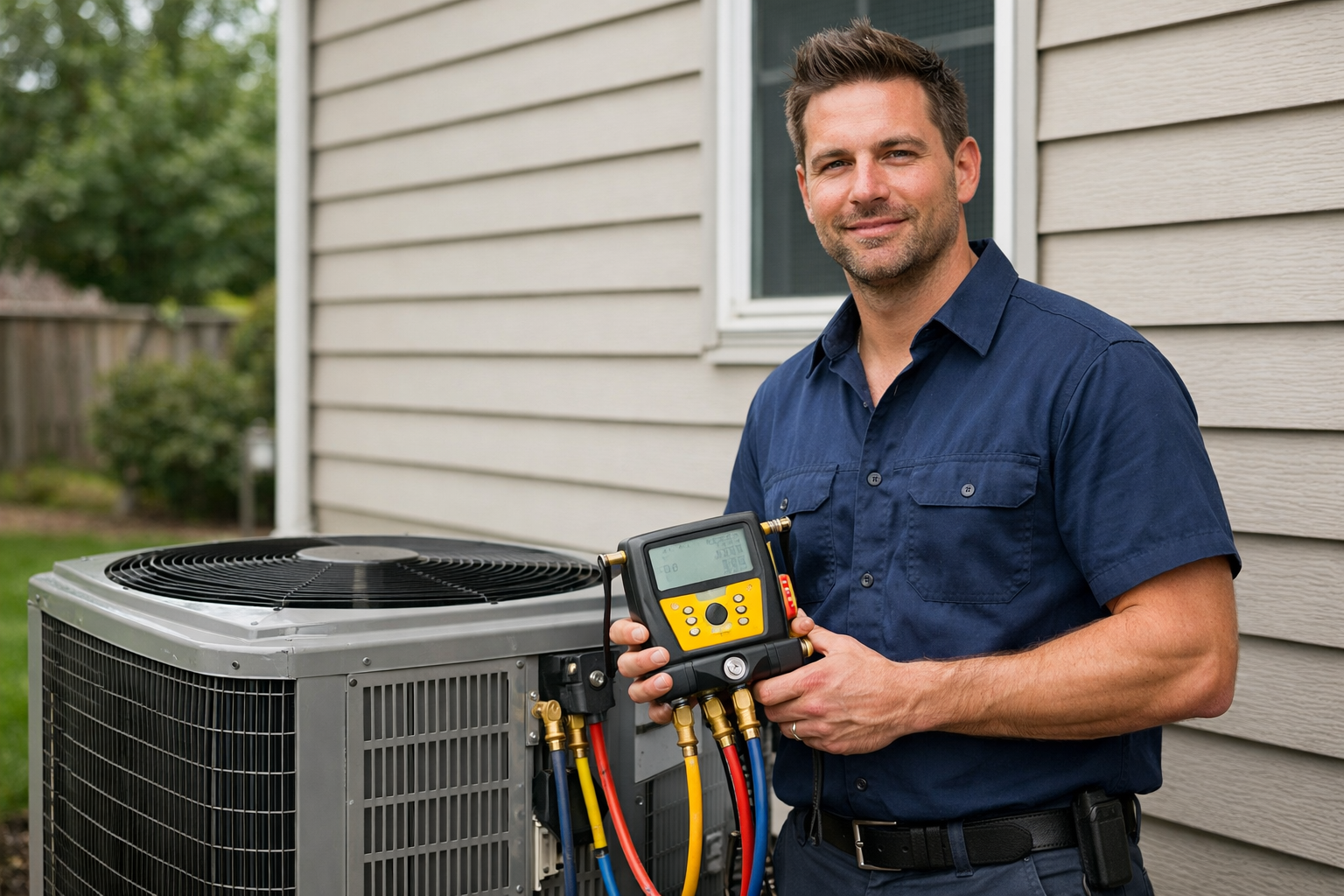
Outdoor HVAC units are exposed to dirt, leaves, grass, and debris throughout the year. One useful hvac trouble shoot practice is inspecting the outdoor unit regularly for blockages or visible damage.
Restricted airflow around the outdoor condenser can reduce system efficiency and increase wear on the equipment. Homeowners should keep at least two feet of clear space around the unit.
Cleaning debris regularly helps maintain proper airflow and system performance.
Check for Frequent Cycling
Short cycling occurs when an HVAC system turns on and off too frequently. This is another warning sign that may require professional hvac trouble shoot services.
Frequent cycling can result from thermostat issues, dirty filters, refrigerant problems, or oversized equipment. Short cycling increases energy consumption and places unnecessary stress on HVAC components.
Addressing this issue early helps prevent long term damage and system wear.
Schedule Professional HVAC Inspections
While homeowners can perform basic hvac trouble shoot checks, professional maintenance remains essential for identifying hidden problems.
HVAC technicians can inspect electrical components, refrigerant levels, motors, ductwork, and system performance more thoroughly. Regular inspections help prevent unexpected breakdowns and improve system longevity.
Scheduling maintenance before summer and winter seasons helps ensure reliable heating and cooling performance year round.
Final Thoughts
Using proper hvac trouble shoot methods can help homeowners detect heating and cooling issues before they become major and expensive problems. Paying attention to unusual noises, airflow changes, rising energy bills, and temperature inconsistencies allows early identification of HVAC concerns.
Simple maintenance tasks such as replacing filters, checking thermostats, and inspecting outdoor units also improve system performance and efficiency. Professional inspections further help prevent breakdowns and extend HVAC equipment lifespan.
By staying proactive with HVAC maintenance and troubleshooting, homeowners can enjoy better comfort, lower energy costs, and more reliable heating and cooling throughout the year.
FAQs
1. What does hvac trouble shoot mean?
hvac trouble shoot refers to identifying and diagnosing heating and cooling system problems before they worsen.
2. Why is my HVAC system making strange noises?
Loose parts, motor issues, or damaged components may cause unusual HVAC sounds.
3. What causes weak airflow from vents?
Dirty filters, blocked ducts, or blower motor problems can reduce airflow.
4. Can rising energy bills indicate HVAC problems?
Yes, inefficient HVAC systems often consume more energy and increase utility costs.
5. How often should HVAC filters be replaced?
Most filters should be replaced every one to three months.
6. Why does my HVAC system turn on and off frequently?
Short cycling may result from thermostat problems, dirty filters, or refrigerant issues.
7. Should I inspect my outdoor HVAC unit regularly?
Yes, keeping the outdoor unit clean improves airflow and system efficiency.
8. When should I schedule professional HVAC maintenance?
Professional inspections are recommended before summer and winter seasons.