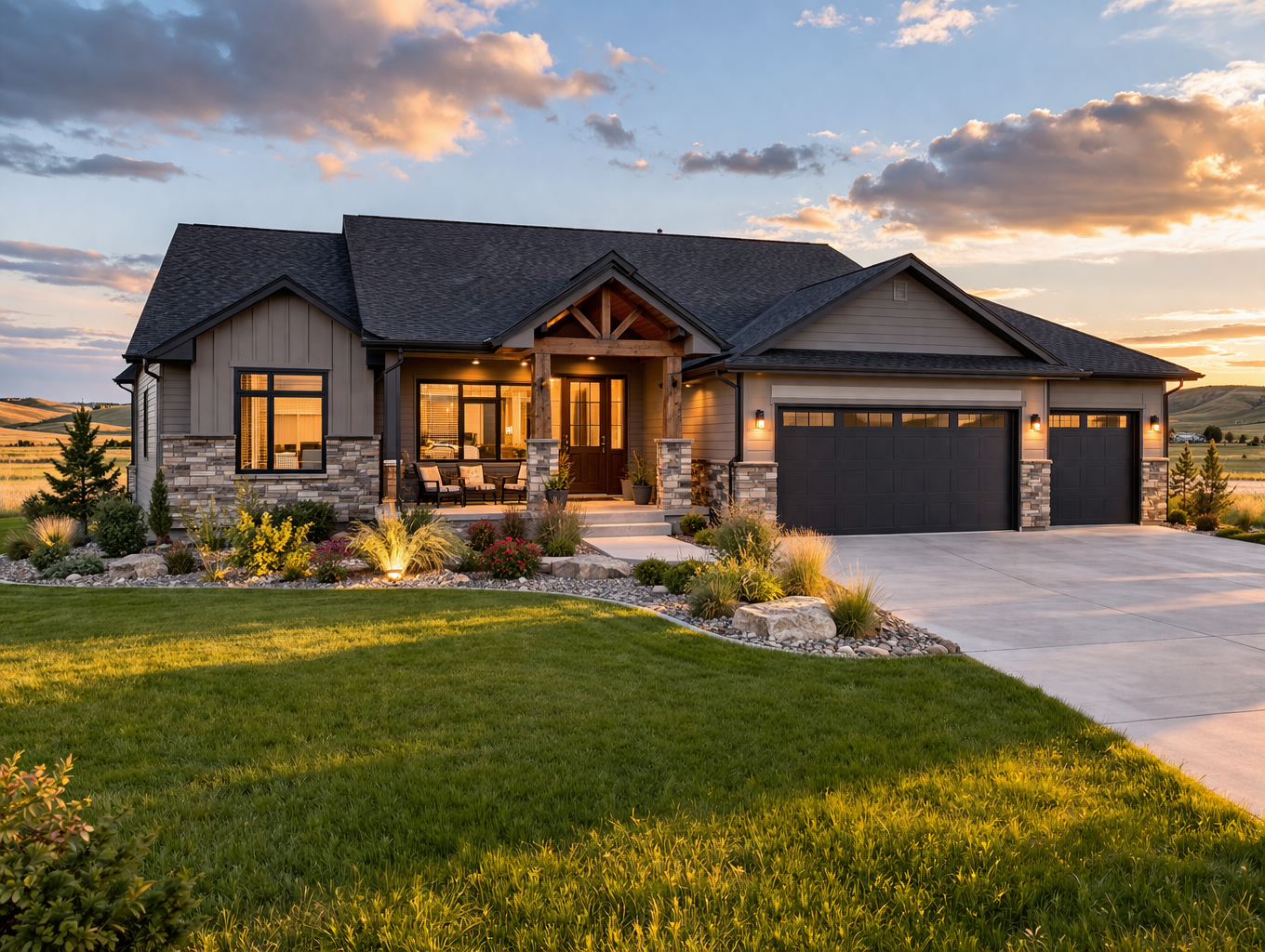

A well-designed porch addition is one of the best ways to increase your home’s usable living space while improving its curb appeal and value. Whether you want a relaxing place to enjoy your morning coffee, entertain guests, or spend quality time with family, a thoughtfully planned porch can become a beautiful extension of your home.
Modern porch addition projects offer endless possibilities, from cozy front porches and spacious covered patios to screened-in outdoor rooms. With proper planning, quality materials, and functional design, you can create a comfortable outdoor area that can be enjoyed throughout the year.
This guide explores practical tips for planning a porch addition that enhances both your home’s appearance and functionality.
Why Add a Porch to Your Home?
A porch addition provides valuable outdoor living space while improving your home’s overall appearance.
It creates a welcoming entrance, offers additional space for relaxation, increases property value, and allows homeowners to enjoy the outdoors in greater comfort.
A well-planned porch adds beauty and functionality.

Determine the Purpose of Your Porch
The first step in planning a porch addition is deciding how you plan to use the space.
Some homeowners want a quiet sitting area, while others prefer an outdoor dining space, entertainment area, or family gathering place. Defining the purpose helps guide every design decision.
A clear plan leads to better results.
Choose the Right Location
Location plays an important role in every porch addition.
Front porches improve curb appeal and create an inviting entrance, while back porches provide greater privacy for relaxing and entertaining. Side porches can also offer convenient access to outdoor spaces.
Choose a location that fits your lifestyle.
Select the Best Porch Style
There are many styles to consider when planning a porch addition.
Popular options include covered porches, screened porches, wraparound porches, enclosed porches, and open-air designs. Select a style that complements your home’s architecture.
A matching design creates visual harmony.
Choose Durable Building Materials
Quality materials help ensure your porch addition lasts for years.
Popular choices include pressure-treated wood, composite decking, natural stone, brick, concrete, and weather-resistant roofing materials that require minimal maintenance.
Durable materials provide long-term value.
Add Comfortable Seating
Comfortable furniture makes your porch more enjoyable.
Successful porch addition designs often include outdoor sofas, rocking chairs, benches, lounge seating, or dining furniture that encourages relaxation and entertaining.
Comfort transforms the space into an outdoor retreat.
Install Proper Lighting
Lighting improves both safety and atmosphere.
Many porch addition designs include ceiling lights, wall sconces, pendant fixtures, recessed lighting, or decorative string lights to create a warm and welcoming environment after sunset.
Good lighting extends the use of your porch.
Include Weather Protection
Weather protection increases the usability of your porch addition.
Consider covered roofing, ceiling fans, outdoor curtains, retractable screens, or weather-resistant furniture to create a comfortable outdoor space throughout different seasons.
Protection allows year-round enjoyment.
Add Decorative Features
Decorative details give your porch personality.
Creative porch addition ideas include potted plants, outdoor rugs, throw pillows, decorative lanterns, seasonal decorations, and attractive railings that complement your home’s style.
Small details create a welcoming atmosphere.
Plan for Storage
Built-in storage can make your porch addition even more functional.
Storage benches, outdoor cabinets, shelving, and hidden compartments help organize cushions, gardening tools, toys, and seasonal accessories.
Smart storage reduces clutter.
Match Your Home’s Exterior
Your porch addition should blend naturally with your home’s exterior.
Coordinate roofing materials, paint colors, columns, railings, flooring, and decorative finishes to create a seamless transition between the porch and the rest of the house.
A cohesive design enhances curb appeal.
Conclusion
A thoughtfully planned porch addition can provide valuable outdoor living space while increasing comfort, functionality, and property value. By selecting the right location, durable materials, comfortable furniture, and attractive decorative features, homeowners can create an inviting outdoor area for relaxing and entertaining.
Whether you choose a covered porch, screened porch, or open design, careful planning will help ensure your porch addition becomes a beautiful extension of your home for years to come.
FAQs
1. What are the benefits of a porch addition?
A porch addition increases outdoor living space, improves curb appeal, enhances comfort, and can add value to your property.
2. What type of porch addition is most popular?
Covered porches, screened porches, wraparound porches, and open front porches are among the most popular options.
3. What materials are best for a porch addition?
Pressure-treated wood, composite decking, concrete, brick, natural stone, and weather-resistant roofing materials are excellent choices.
4. How can I make my porch addition comfortable year-round?
Install a roof, ceiling fans, outdoor heaters, weather-resistant furniture, and protective screens or curtains.
5. Does a porch addition increase home value?
Yes. A professionally designed porch addition can improve curb appeal and increase your home’s resale value.
6. What furniture works best on a porch?
Outdoor sofas, rocking chairs, benches, dining sets, and weather-resistant lounge furniture are popular options.
7. Should my porch addition match my home’s design?
Yes. Matching the materials, colors, roofing, and architectural style creates a cohesive and attractive appearance.
8. How do I plan the best porch addition?
Consider your available space, intended use, budget, materials, local climate, maintenance requirements, and your home’s architectural style before beginning your project.