
A garden can be one of the most enjoyable parts of a home, but protecting plants from animals, pests, and accidental damage can sometimes be challenging. The right garden fence ideas can create a protective barrier around your plants while also adding beauty and character to your outdoor space.
Whether you have a small vegetable garden, flower beds, raised garden boxes, or a large backyard growing area, a suitable fence can help keep unwanted visitors away. With thoughtful planning and creative materials, homeowners can build a garden fence that is both practical and attractive.
This article explores creative garden fence ideas that can help protect your plants while complementing your backyard design.
Why Garden Fencing Is Important
A garden fence provides an effective barrier between your plants and potential threats.
It can help prevent pets, rabbits, deer, and other animals from reaching vegetables, flowers, herbs, and other plants. Fencing can also define the garden area and make the outdoor space look more organized.
A well-designed fence provides both protection and visual appeal.
Choose a Wooden Garden Fence
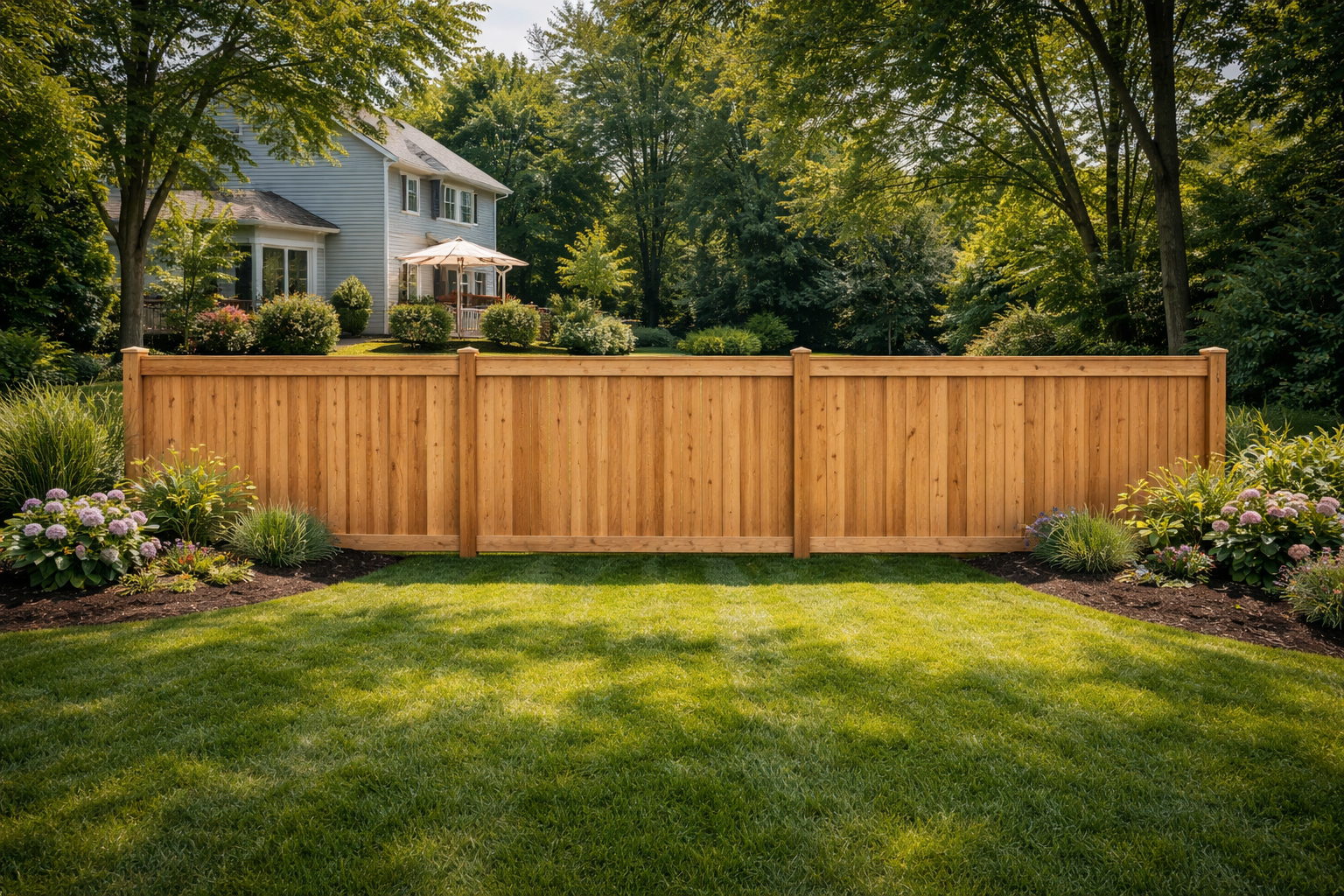
Wood is one of the most popular materials for garden fencing.
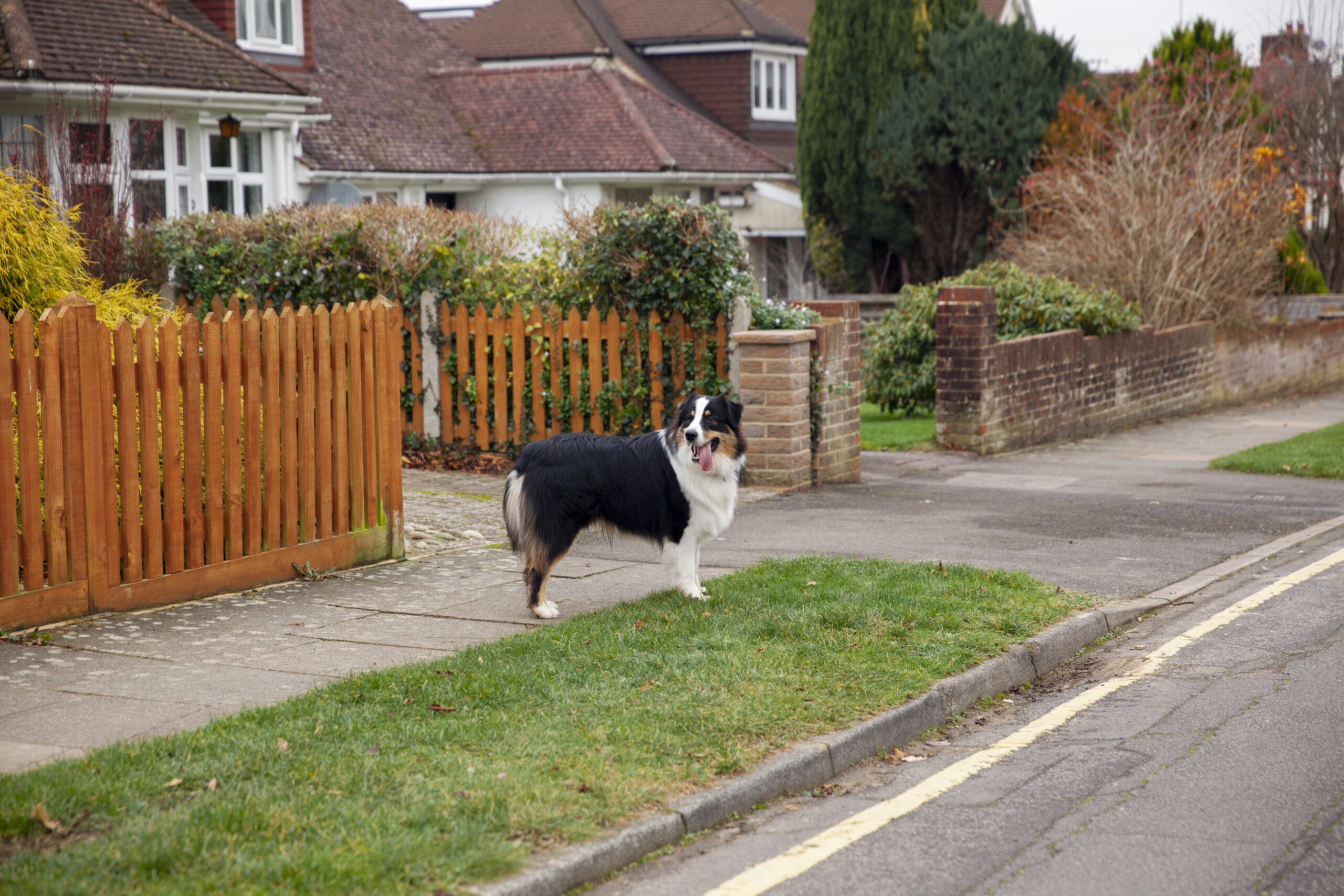
Simple wooden panels, picket fences, or horizontal boards can create a warm and natural appearance around your garden. Wood can also be painted or stained to complement your home’s exterior and landscaping.
Wooden fencing offers a classic garden appearance.
Install a Wire Mesh Fence
Wire mesh is a practical option for homeowners who primarily want plant protection.
A mesh fence can help keep smaller animals away while allowing sunlight and airflow to reach the plants. It can also be combined with wooden posts for a more attractive appearance.
Wire fencing provides practical protection without blocking visibility.
Try a Decorative Picket Fence
A picket fence can give your garden a charming and traditional appearance.
Short decorative fences are suitable for flower beds, herbs, and smaller plants that do not require protection from larger animals. Choose a style that complements the surrounding landscape.
Picket fencing combines protection with decorative appeal.
Build a Raised Garden Fence
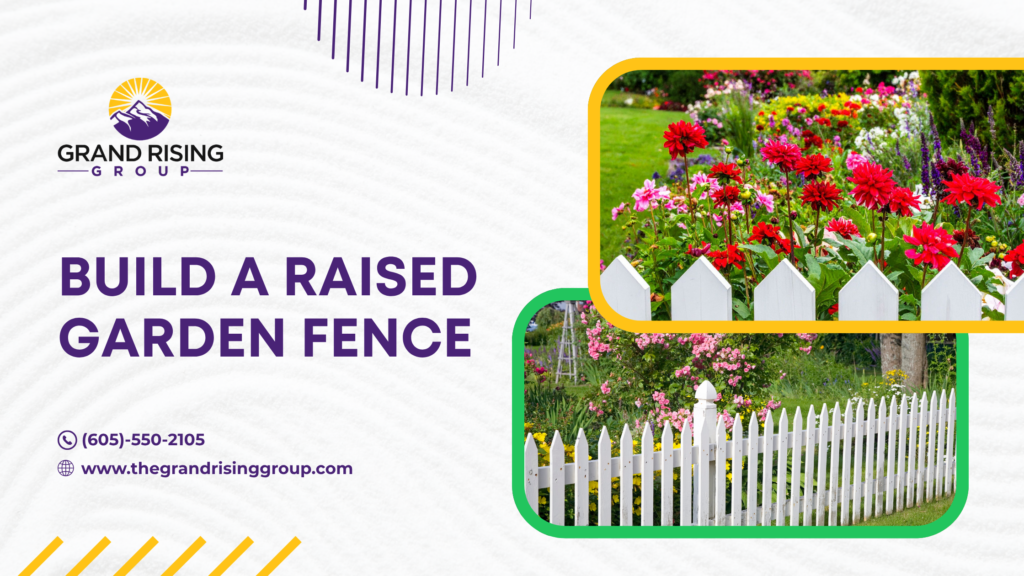
Raised garden beds can benefit from their own protective barriers.
Adding a fence around a raised bed can help prevent animals from reaching plants while creating a defined growing area. The fence can be made from wood, wire mesh, or other suitable materials.
Raised garden fencing provides an additional layer of protection.
Use Chicken Wire for Small Animals
Chicken wire is a simple and affordable option for protecting plants from smaller animals.
It can be attached to wooden or metal posts and shaped around garden beds. For better protection, make sure the openings are appropriately sized for the animals you are trying to keep away.
Chicken wire provides a lightweight protective barrier.
Create a Rustic Garden Fence
Rustic fencing can add character to a backyard garden.
Use natural wood branches, reclaimed boards, or simple wooden posts to create a relaxed countryside appearance. These garden fence ideas work particularly well with cottage gardens and natural landscaping.
Rustic materials create a warm outdoor atmosphere.
Add a Decorative Metal Fence
Metal fencing can provide both durability and style.
Wrought iron, steel, and other decorative metal options can create an elegant border around flower gardens and landscaped areas. Choose a design with appropriate spacing depending on the level of protection required.
Metal fences can provide long-lasting garden boundaries.
Build a Fence Around a Vegetable Garden
Vegetable gardens often need extra protection from animals.
A taller fence can help protect vegetables such as lettuce, tomatoes, peppers, and other crops from unwanted visitors. Consider adding a gate for convenient access to the garden.
A dedicated vegetable garden fence helps protect your harvest.
Use a Garden Fence With a Gate
A gate makes it easier to access and maintain your garden.
Choose a gate that matches the fence material and provides enough space to carry gardening tools, soil, plants, and other supplies. A secure latch can also help keep animals from entering through the opening.
A functional gate improves both accessibility and protection.
Add a Trellis to Your Garden Fence
A trellis can make a garden fence more useful and attractive.
Climbing plants such as vines, beans, roses, and other suitable plants can grow along the structure. This creates vertical interest while making efficient use of garden space.
Trellises combine gardening and fencing in one feature.
Choose a Low Garden Border
Not every garden requires a tall fence.
Low borders can be useful for defining flower beds, pathways, herbs, and decorative planting areas. Stone, wood, metal, or other landscape materials can create an attractive boundary.
Low fencing provides organization without overwhelming the garden.
Consider Animal-Specific Protection
Different animals may require different fencing solutions.
For smaller animals, fine mesh may be sufficient, while gardens located in areas with deer or larger wildlife may require taller and stronger fencing. Consider the animals common in your area before selecting your fence height and material.
Choosing the right barrier improves garden protection.
Match the Fence With Your Landscape
The best garden fence ideas should complement the surrounding outdoor space.
Consider your home’s exterior, garden style, landscaping materials, colors, and existing fencing when selecting your design. A coordinated fence can make the garden feel like an intentional part of the overall property.
A cohesive design creates a polished backyard appearance.
Maintain Your Garden Fence
Regular maintenance helps keep your garden fence attractive and functional.
Inspect the fence for loose boards, damaged mesh, rust, rot, or gaps that animals could use to enter. Repair problems promptly and refinish wood or metal when necessary.
Proper maintenance extends the life of your garden fence.
Conclusion
Creative garden fence ideas can help homeowners protect plants while improving the appearance and organization of their outdoor spaces. Wooden fences, wire mesh, picket designs, rustic barriers, decorative metal fencing, raised garden enclosures, and trellises all offer different benefits.
When choosing a garden fence, consider the plants you are protecting, the animals in your area, your available space, maintenance requirements, and the overall style of your backyard. With the right design, a garden fence can provide reliable protection while becoming an attractive feature of your landscape.
FAQs
1. What are the best garden fence ideas for protecting plants?
Wire mesh, wooden fencing, chicken wire, metal fencing, and raised garden barriers are popular options for protecting plants.
2. How tall should a garden fence be?
The appropriate height depends on what you are protecting the garden from. Smaller animals may require shorter fencing, while larger animals may require taller barriers.
3. Is chicken wire good for garden fencing?
Yes. Chicken wire is an affordable and lightweight option for protecting plants from many smaller animals.
4. What is the best material for a garden fence?
Wood, wire mesh, metal, and other materials can work well. The best choice depends on your budget, desired appearance, durability needs, and level of protection.
5. Can a garden fence be decorative?
Yes. Picket fences, decorative metal designs, painted wood, rustic fencing, and trellis-style barriers can provide both protection and visual appeal.
6. Should I add a gate to my garden fence?
A gate is useful because it provides convenient access for watering, planting, harvesting, and maintenance while helping maintain the protective barrier.
7. Can I use a trellis as part of a garden fence?
Yes. A trellis can provide support for climbing plants while also creating an attractive vertical feature along the garden boundary.
8. How do I maintain a garden fence?
Regularly inspect the fence for damage, gaps, rot, rust, or loose components. Repair problems promptly and refinish materials when necessary to extend their lifespan.