
A wood fence can add privacy, security, and character to your property, but regular maintenance is essential to keep it in good condition. Without proper care, moisture, insects, sunlight, and changing weather conditions can cause wood rot, discoloration, cracks, and structural damage.
Following simple fence maintenance tips can help homeowners protect their investment and extend the life of their fencing. Regular inspections, cleaning, sealing, and timely repairs can prevent minor problems from becoming expensive replacements.
This guide explores essential fence maintenance tips that can help prevent wood rot and protect your fence from common types of damage.
Why Fence Maintenance Is Important
Regular maintenance helps preserve both the appearance and structural strength of your fence.
Wood naturally absorbs moisture, making it vulnerable to rot and deterioration when it remains wet for extended periods. Proper fence maintenance tips can help identify moisture problems, damaged boards, loose posts, and other issues before they become serious.
A well-maintained fence can provide reliable performance for many years.
Inspect Your Fence Regularly
One of the most important fence maintenance tips is to inspect your fence regularly.
Look for cracked boards, loose nails, damaged posts, discoloration, mold, mildew, insect damage, and signs of rot. Pay particular attention to areas that remain close to the ground or frequently exposed to moisture.
Early detection makes repairs easier and more affordable.
Keep the Fence Dry
Moisture is one of the biggest causes of wood rot.
Make sure sprinklers, downspouts, and other water sources are not constantly spraying the fence. Trim vegetation that stays against the wood and improve drainage around areas where water tends to collect.
Keeping the wood as dry as possible can significantly reduce the risk of rot.
Clean Your Fence
Regular cleaning can help remove dirt, algae, mold, mildew, and other buildup.
Use an appropriate cleaning solution and follow the recommendations for your particular type of wood. Avoid methods that could damage the surface or force excessive moisture into the wood.
Clean fencing is easier to inspect and maintain.
Apply a Wood Sealer
A quality wood sealer can help protect your fence from moisture.
Sealing the wood creates a protective barrier that can reduce water absorption and help minimize weather-related deterioration. Reapply the sealer according to the product manufacturer’s recommendations.
Sealing is an important part of long-term fence care.
Stain or Paint the Fence
Staining or painting can provide an additional layer of protection.
Exterior-grade products can help protect wood from moisture and sunlight while improving its appearance. Choose a product designed specifically for outdoor wood fencing.
A fresh finish can help preserve the fence while giving it an updated look.
Trim Plants Around the Fence
Plants, vines, shrubs, and grass can trap moisture against wooden fencing.
Trim vegetation regularly and keep plants from growing directly against the fence. This improves airflow and allows the wood to dry more quickly after rain.
Good airflow helps reduce moisture-related problems.
Check the Fence Posts
Fence posts provide essential structural support.
Inspect them for movement, cracking, leaning, or signs of rot, especially near ground level. A damaged post can compromise an entire section of fencing if it is not repaired promptly.
Strong posts help maintain the stability of the fence.
Replace Damaged Boards
Do not ignore boards that are severely cracked, soft, or rotten.
Replacing damaged sections early can prevent problems from spreading to surrounding areas. When replacing boards, use suitable exterior-grade wood and protect the new material with an appropriate finish.
Timely repairs can extend the life of the entire fence.
Protect the Bottom of the Fence
The lower portion of a wood fence is particularly vulnerable to moisture.
Avoid allowing the boards to remain directly against soil, mulch, or standing water whenever possible. Maintaining appropriate clearance can help improve airflow and reduce prolonged moisture exposure.
Keeping the bottom dry is one of the most useful fence maintenance tips for preventing rot.
Watch for Insect Damage
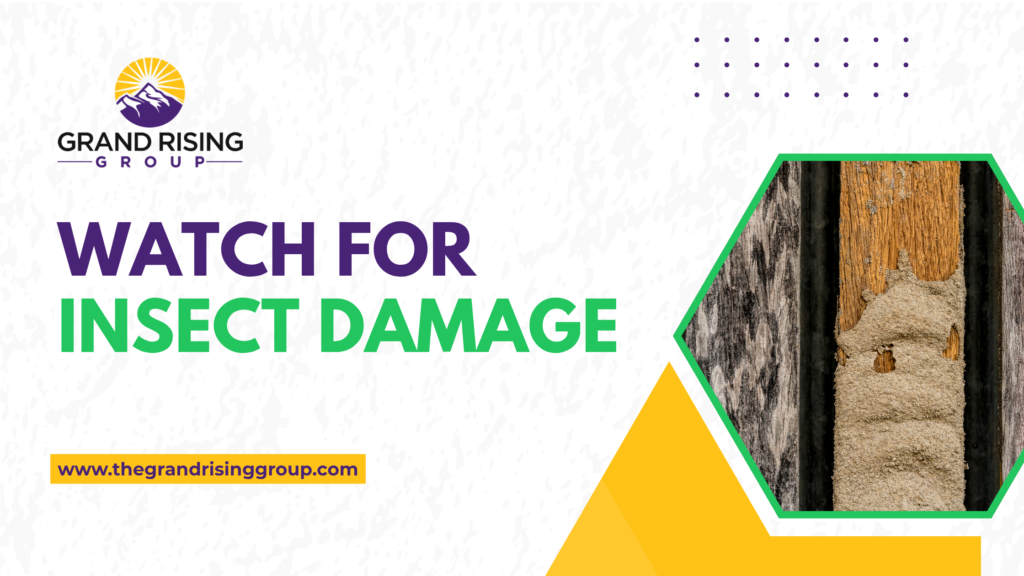
Wood fences can sometimes attract insects that damage or weaken the material.
Inspect the fence for holes, tunnels, sawdust-like material, or other unusual signs. If you notice significant insect activity, consider addressing the issue promptly with appropriate treatment or professional assistance.
Early action can help prevent structural deterioration.
Repair Loose Hardware
Loose screws, nails, brackets, and other hardware can cause fence boards and panels to become unstable.
Check hardware during routine inspections and tighten or replace damaged components as needed. Use exterior-rated hardware where appropriate to help resist outdoor conditions.
Secure hardware contributes to a stronger fence.
Address Leaning Sections Quickly
A leaning fence can indicate problems with posts, soil, hardware, or structural connections.
Do not wait until an entire section becomes unstable. Identify the cause and make appropriate repairs as soon as possible.
Prompt repairs can prevent further damage and improve safety.
Protect Your Fence From Lawn Equipment
Lawnmowers, trimmers, and other equipment can accidentally damage fence boards and posts.
Maintain a safe distance when mowing or trimming near the fence. Avoid repeatedly striking the bottom of the boards with equipment.
Preventing accidental impact can help preserve the fence surface.
Prepare Your Fence for Severe Weather
Strong winds, heavy rain, snow, and extreme temperatures can put additional stress on fencing.
Before severe weather seasons, inspect posts, hardware, boards, and gates for weaknesses. Make necessary repairs before harsh conditions arrive.
Preparation can reduce the likelihood of weather-related damage.
Maintain the Fence Gate
The gate is one of the most frequently used parts of a fence.
Check hinges, latches, posts, and alignment regularly. Make sure the gate opens and closes properly without dragging against the ground.
Proper gate maintenance helps preserve both function and appearance.
Conclusion
Following practical fence maintenance tips can help homeowners prevent wood rot, weather damage, insect problems, and premature deterioration. Regular inspections, proper cleaning, sealing, vegetation control, timely repairs, and moisture management can all contribute to a longer-lasting fence.
A maintenance routine does not have to be complicated. By addressing small problems early and protecting the wood from excessive moisture, homeowners can keep their fences strong, attractive, and functional for years to come.
Frequently Asked Questions (FAQs)
1. What are the most important fence maintenance tips?
Regular inspections, cleaning, sealing, staining, controlling moisture, trimming vegetation, and repairing damaged boards are some of the most important maintenance practices.
2. What causes wood fence rot?
Excessive moisture, poor drainage, prolonged soil contact, limited airflow, and untreated wood can contribute to wood rot.
3. How often should I inspect my wood fence?
Inspect your fence regularly throughout the year and pay particular attention after periods of heavy rain, strong winds, or other severe weather.
4. How can I prevent my fence from rotting?
Keep the wood dry, maintain clearance from soil, improve drainage, trim nearby vegetation, and apply an appropriate wood sealer.
5. Should I stain or seal my wood fence?
Staining and sealing can help protect outdoor wood from moisture and weather exposure. Choose products specifically designed for exterior fencing.
6. How do I know if a fence board is rotten?
Rotten wood may feel soft, crumble easily, appear discolored, or show visible deterioration. Check areas that are frequently exposed to moisture.
7. Can plants damage a wood fence?
Yes. Dense vegetation can trap moisture against the fence and reduce airflow, increasing the risk of deterioration.
8. When should I replace a fence instead of repairing it?
If extensive sections are severely rotten, unstable, or structurally damaged, replacement may be more practical than repeated repairs. A professional assessment can help determine the best option.