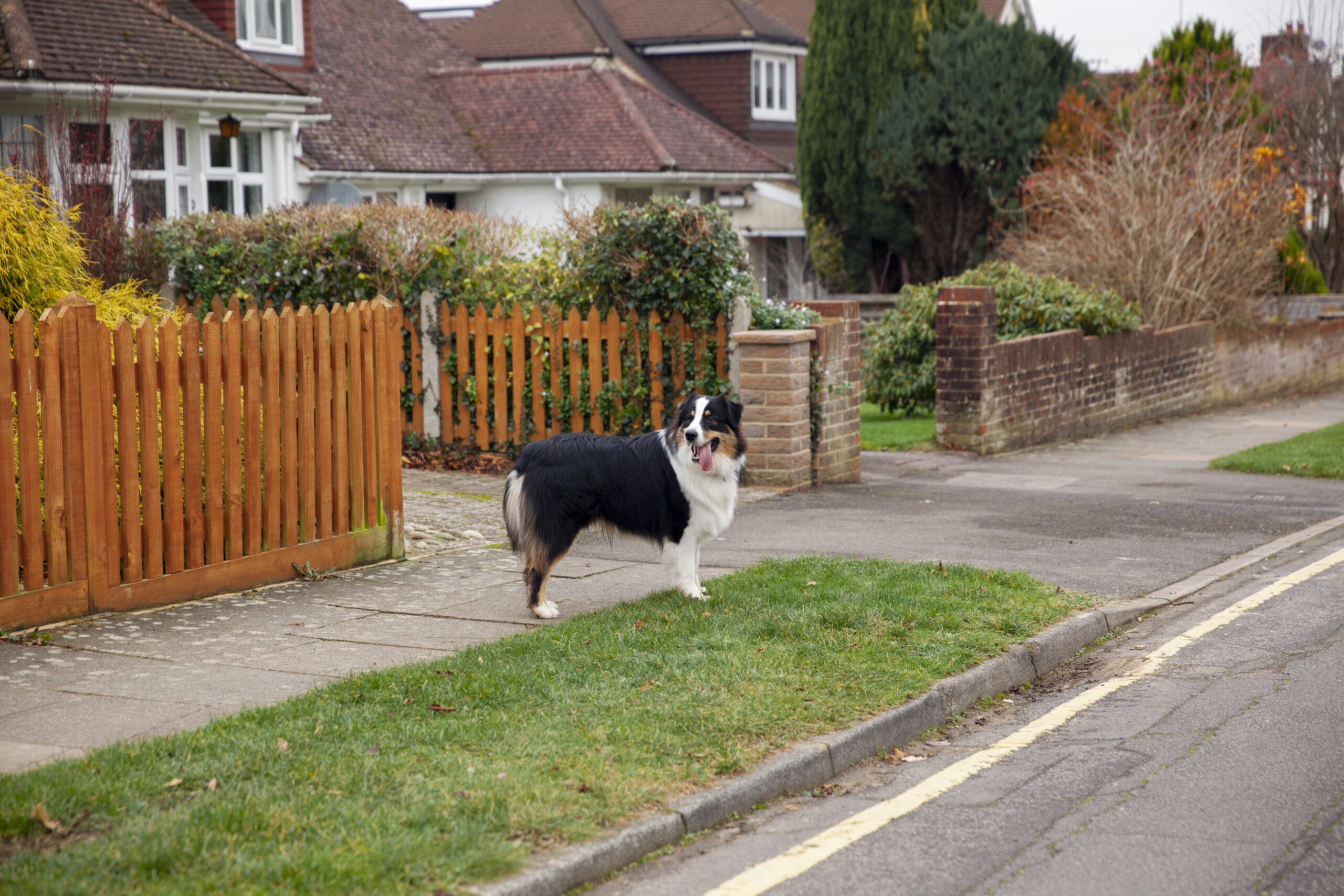

Choosing the right fence is important for homeowners with dogs and active pets. The best fence for dogs should provide a secure boundary while giving pets enough room to play, exercise, and explore safely.
Different dogs have different behaviors and physical abilities. Some may dig under fences, while others can jump, climb, or squeeze through small openings. Choosing a fence based on your pet’s size, energy level, and habits can help prevent escapes and create a safer backyard.
This guide explains the key factors homeowners should consider when selecting the best fence for dogs and active pets.
Why the Right Dog Fence Matters
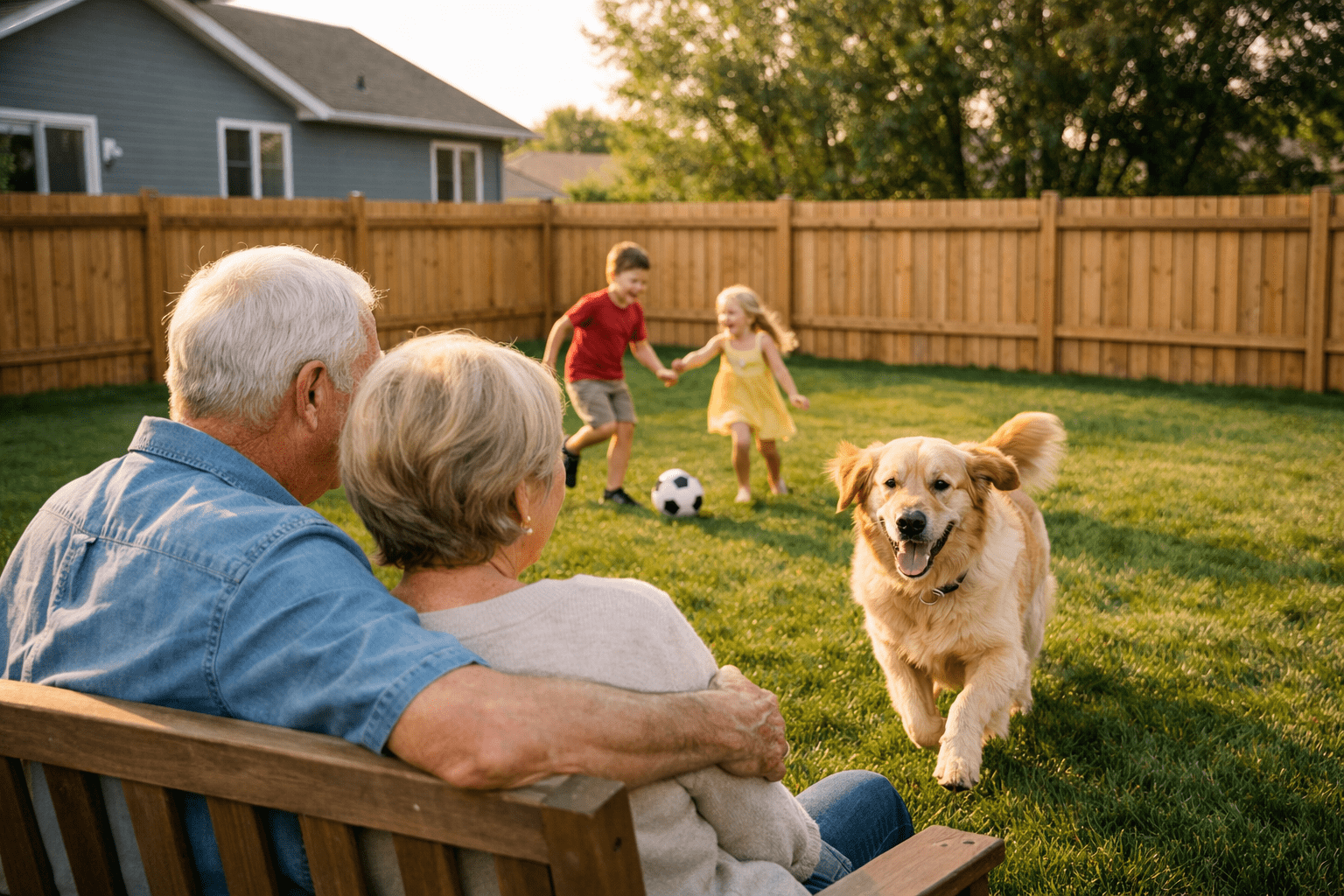
A secure fence can give pets the freedom to enjoy the backyard without constant supervision.
The best fence for dogs should be strong enough to withstand active play while preventing pets from jumping over, digging under, or pushing through the barrier. A suitable fence can also provide homeowners with greater peace of mind.
A well-designed pet fence benefits both pets and their owners.
Consider Your Dog’s Size
Your dog’s size should be one of the first factors you consider.
Small dogs may be able to fit through large gaps, while larger dogs may require taller and stronger fencing. Measure your pet and consider how high they can comfortably jump before choosing the fence height.
The right dimensions can make the fence much more secure.
Consider Your Dog’s Behavior
Every dog has different habits.
Some dogs are natural diggers, while others may attempt to climb or jump over fences. Active dogs may also push against fencing or repeatedly test weak points.
Understanding your pet’s behavior can help you select the best fence for dogs based on their individual needs.
Choose a Durable Material
Durability is important when selecting a dog fence.
Wood, vinyl, metal, chain link, and other fencing materials can provide different levels of strength, privacy, and maintenance requirements. Choose a material that can withstand your dog’s activity and the outdoor conditions in your area.
A durable fence provides long-term protection.
Install a Tall Enough Fence
Fence height is particularly important for dogs that jump.
A taller fence can make it more difficult for pets to climb or jump over the boundary. Consider your dog’s size and jumping ability rather than choosing a standard height automatically.
The appropriate height helps reduce the risk of escapes.
Avoid Large Gaps
Small dogs and puppies can sometimes squeeze through surprisingly narrow spaces.
Choose fencing with appropriately sized openings and inspect the entire boundary for potential escape points. Gates should also close securely without leaving large gaps underneath or around the sides.
A fence should provide a continuous and secure barrier.
Consider a Dig-Proof Design
Dogs that like to dig may require additional protection along the bottom of the fence.
You can consider suitable solutions such as extending the fence below ground level or using an appropriate barrier along the base. The right approach depends on the fence material, soil conditions, and local requirements.
Extra protection can help prevent determined dogs from digging their way out.
Choose a Secure Gate
A strong fence needs an equally secure gate.
Choose a gate with a reliable latch and make sure it closes completely. If your dog is particularly clever or persistent, consider additional measures that make the gate more difficult for the pet to open.
A secure gate helps complete the protective boundary.
Think About Privacy
Privacy can be helpful for dogs that become excited by people, animals, or activity outside the yard.
Solid wood or vinyl fencing can reduce visual distractions and create a more private outdoor environment. However, some dogs may prefer being able to see their surroundings.
Consider your dog’s temperament when deciding how much privacy the fence should provide.
Consider Chain Link Fencing
Chain link fencing is a popular option for active dogs.
It provides visibility, durability, and relatively low maintenance. It can also create a secure boundary without completely blocking the view of the backyard.
For dogs that do not react strongly to outside activity, chain link can be a practical choice.
Consider Vinyl Fencing
Vinyl fencing can provide a clean appearance and relatively easy maintenance.
Privacy-style vinyl fencing can help reduce distractions while providing a solid barrier. It is available in different styles and colors, allowing homeowners to coordinate the fence with their property.
Vinyl can be a useful option for homeowners seeking low-maintenance fencing.
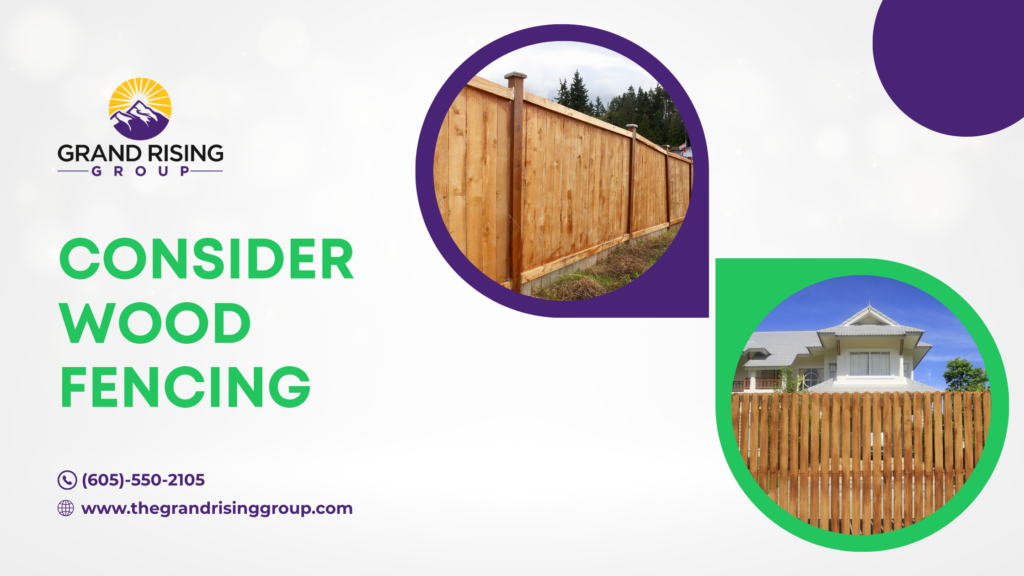
Consider Wood Fencing
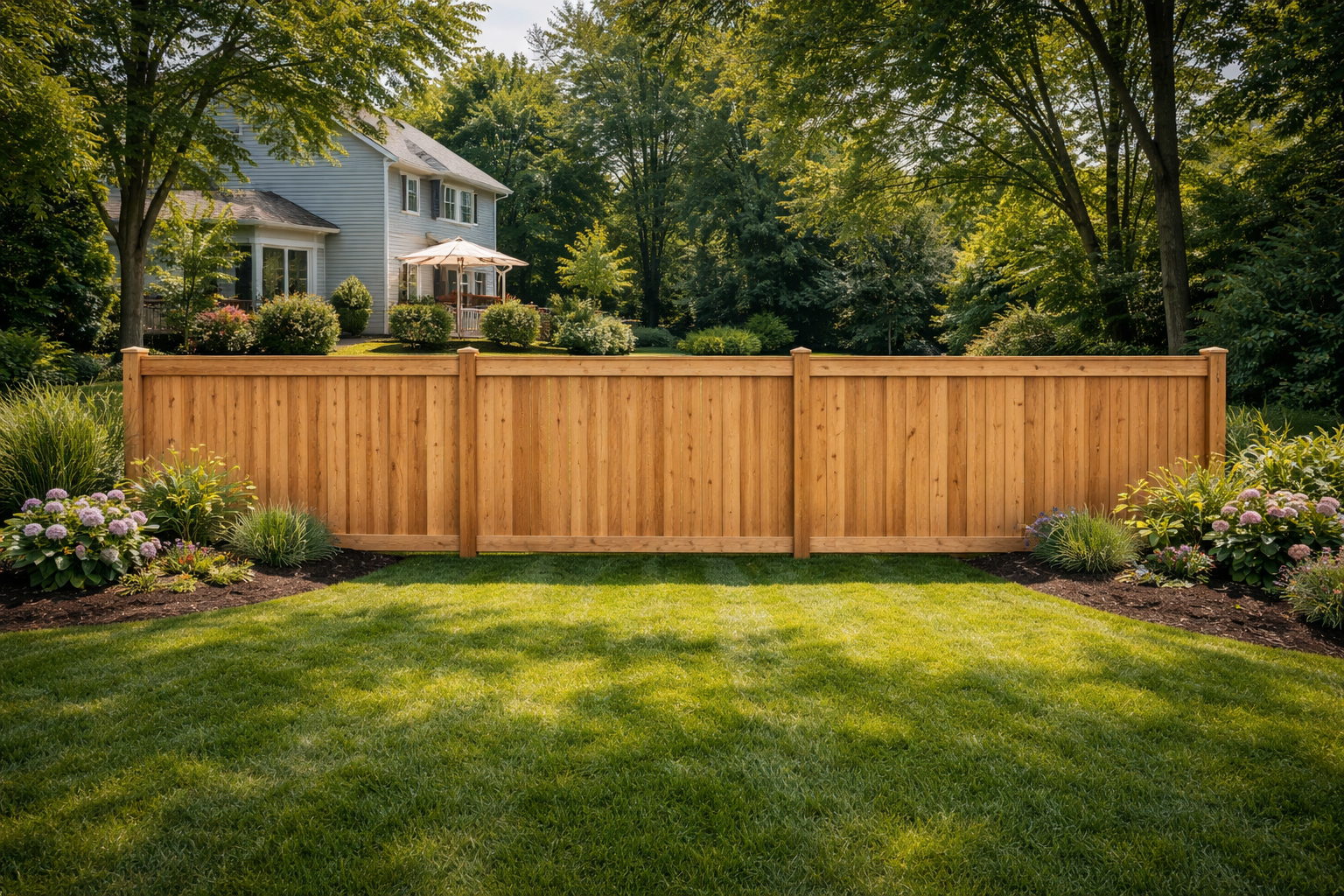
Wood fencing can provide both privacy and a traditional appearance.
Solid wood panels can help prevent dogs from seeing outside distractions, while appropriately constructed fencing can create a strong boundary.
Regular maintenance may be necessary to protect wood from moisture, weather, and deterioration.
Think About Your Dog’s Activity Level
Highly active dogs may need a stronger and taller fence than calm pets.
If your dog runs, jumps, climbs, or constantly explores the yard, prioritize durability and secure construction. Inspect the fence regularly for signs of damage or weak points.
Active pets require fencing designed to handle their energy.
Inspect the Fence Regularly
Even the best fence for dogs requires maintenance.
Check for loose boards, damaged panels, holes, rust, gaps, or problems with the gate. Repair any issues promptly before they become potential escape routes.
Regular inspections help keep the fence secure over time.
Choose a Fence That Fits Your Property
The fence should protect your pets while complementing your home and landscape.
Consider the appearance, maintenance requirements, cost, local regulations, and overall property design before making your decision.
The best fence combines pet safety with practical and attractive design.
Conclusion
Choosing the best fence for dogs requires more than selecting an attractive fencing material. Homeowners should consider their dog’s size, behavior, activity level, jumping and digging habits, as well as the fence’s height, durability, spacing, gate security, and maintenance needs.
Whether you choose wood, vinyl, chain link, metal, or another suitable material, the goal is to create a secure outdoor environment where your pets can play safely. With thoughtful planning and regular maintenance, the right fence can provide reliable protection and greater peace of mind for years to come.
Frequently Asked Questions (FAQs)
1. What is the best fence for dogs?
The best option depends on your dog’s size, behavior, activity level, and escape habits. Wood, vinyl, chain link, and metal fences can all work well when properly designed.
2. How tall should a fence be for dogs?
The appropriate height depends on the dog’s size and jumping ability. Dogs that can jump high may require taller fencing.
3. What type of fence is best for dogs that dig?
A fence with additional protection along the bottom can help prevent digging underneath. The specific solution depends on the fence and property.
4. Is chain link fencing good for dogs?
Yes. Chain link fencing can provide durability, visibility, and a secure boundary for many dogs.
5. Is privacy fencing better for dogs?
Privacy fencing can be useful for dogs that become distracted or reactive when they see people, animals, or activity outside the yard.
6. How do I prevent my dog from escaping through the gate?
Use a secure latch, make sure the gate closes completely, and regularly check for gaps around the gate and fence.
7. What is the safest fence for small dogs?
A fence with appropriately small openings and no easy escape gaps is generally suitable for small dogs. The fence should also be high enough to prevent jumping or climbing.
8. How often should I inspect my dog fence?
Inspect the fence regularly, especially after severe weather or periods of heavy use. Address loose, damaged, or weakened sections promptly.