
A thoughtfully planned sustainable home design helps homeowners create a living space that is comfortable, energy efficient, and environmentally responsible. By choosing eco-friendly materials, reducing energy consumption, and making smart design decisions, you can lower your environmental footprint while enjoying long-term savings.
Whether you are building a new home or renovating an existing one, investing in sustainable home design can improve indoor comfort, increase property value, and reduce utility costs. Even small upgrades can make a significant difference when combined with efficient systems and environmentally conscious materials.
This guide explores practical sustainable home design ideas that help homeowners create a healthier and more eco friendly living space.
Why Sustainable Home Design Matters
Choosing sustainable home design benefits both homeowners and the environment.
Energy efficient homes reduce utility bills, conserve natural resources, improve indoor air quality, and minimize environmental impact while providing greater long-term value.
Sustainable living begins with smart planning.
Maximize Natural Light
Natural lighting is one of the most effective sustainable home design strategies.
Large windows, skylights, and thoughtfully positioned openings reduce the need for artificial lighting while making interiors feel brighter and more inviting.
Natural light improves comfort and saves energy.
Choose Energy Efficient Windows
Modern windows play a major role in sustainable home design.
Energy efficient windows improve insulation, reduce heat transfer, and help maintain comfortable indoor temperatures throughout the year.
Better insulation lowers energy consumption.
Install Solar Panels
Renewable energy is a key feature of sustainable home design.
Solar panels help generate clean electricity, reduce dependence on traditional power sources, and lower monthly energy bills.
Solar energy supports long-term sustainability.
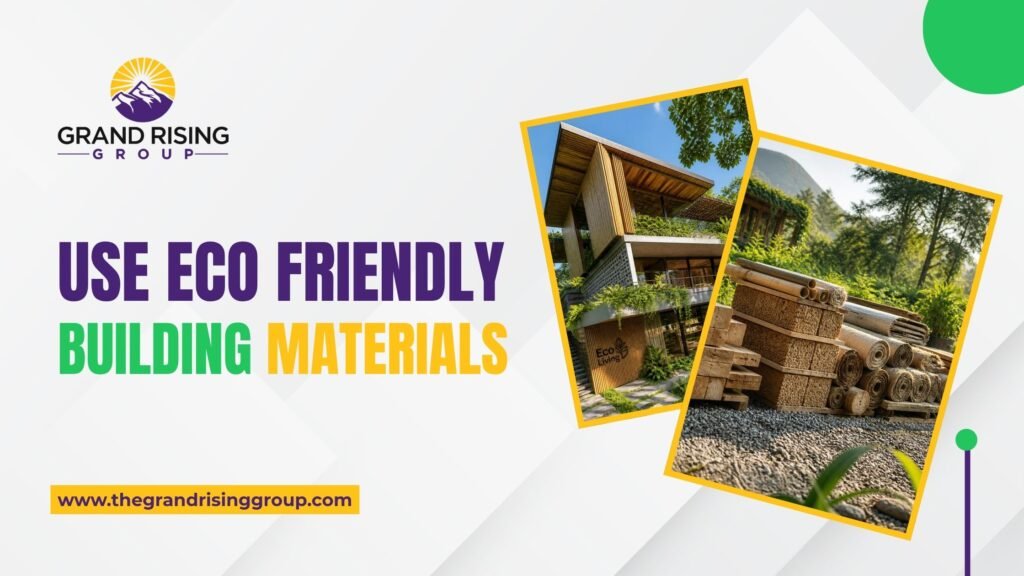
Use Eco Friendly Building Materials
Selecting environmentally responsible materials strengthens sustainable home design.
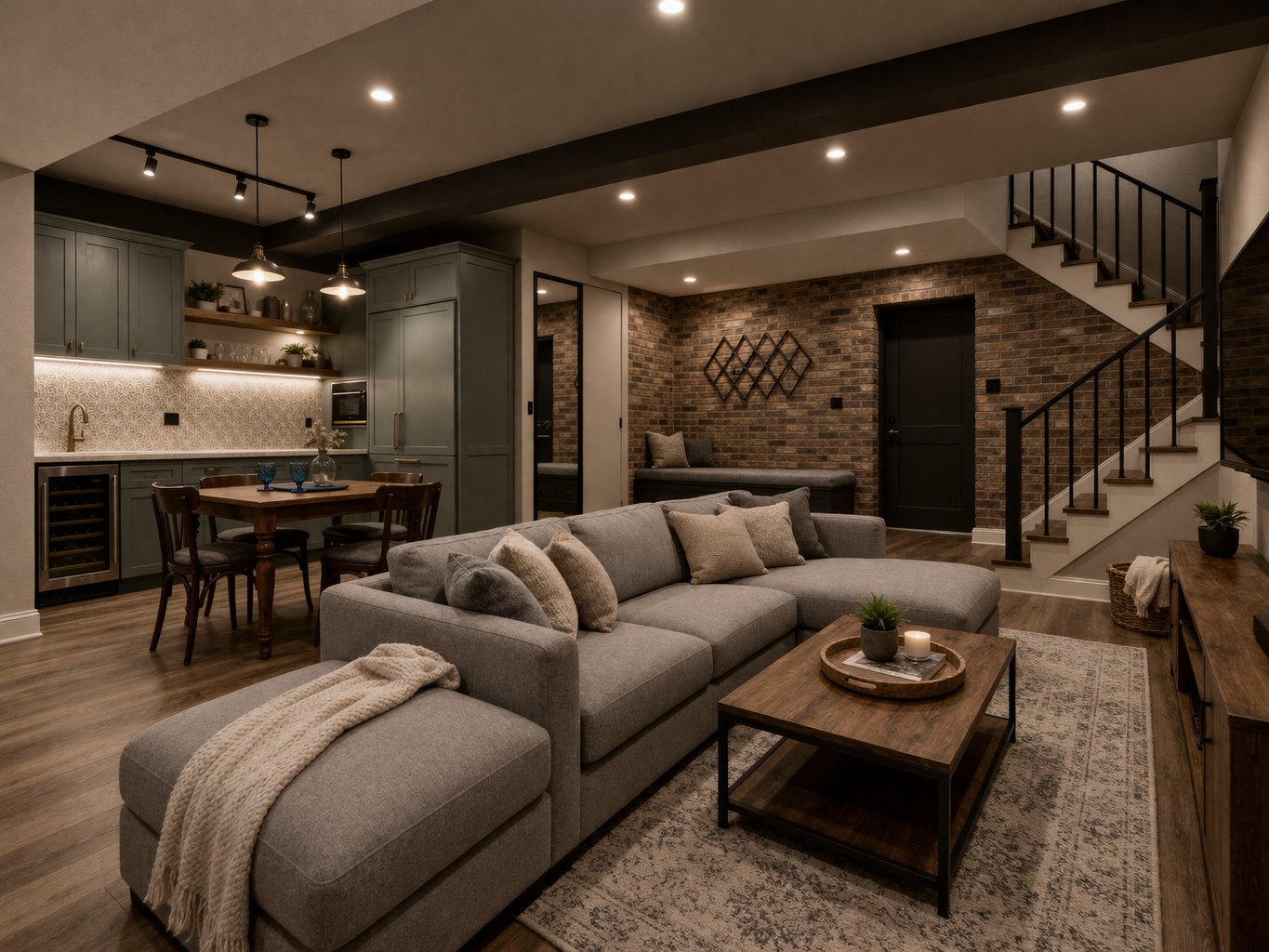
Reclaimed wood, recycled metal, bamboo, cork, and low impact building materials reduce waste while creating beautiful interiors.
Eco friendly materials support responsible construction.
Improve Home Insulation
Proper insulation increases the efficiency of any sustainable home design.
Quality insulation reduces heat loss during winter and keeps interiors cooler during summer, lowering heating and cooling costs.
Well insulated homes require less energy.
Install Water Saving Fixtures
Water conservation is an important part of sustainable home design.
Low flow faucets, water efficient toilets, and modern showerheads help reduce water usage without sacrificing performance.
Saving water benefits both homeowners and the environment.
Choose Energy Efficient Appliances
Modern appliances consume significantly less electricity.
Energy efficient appliances complement sustainable home design by lowering power consumption while maintaining excellent performance.
Efficient appliances reduce long-term operating costs.
Add Indoor Plants
Indoor greenery enhances sustainable home design while improving indoor air quality.
Plants help create a healthier atmosphere, add natural beauty, and contribute to a relaxing living environment.
Natural elements improve overall wellbeing.
Select Sustainable Flooring
Eco friendly flooring supports modern sustainable home design.
Bamboo, cork, reclaimed hardwood, and recycled flooring materials provide durability while minimizing environmental impact.
Sustainable flooring combines beauty with responsibility.
Design Flexible Living Spaces
Multi purpose rooms improve the functionality of sustainable home design.
Flexible layouts reduce the need for additional construction while allowing spaces to adapt as your family’s needs change.
Smart layouts maximize every square foot.
Reduce Household Waste
Waste reduction is an essential part of sustainable home design.
Recycling stations, composting systems, reusable storage solutions, and responsible purchasing habits help minimize household waste.
Simple habits create lasting environmental benefits.
Conclusion
A well planned sustainable home design creates a healthier, more comfortable, and environmentally responsible living space. From maximizing natural light and improving insulation to choosing eco-friendly materials and energy efficient appliances, every design decision contributes to lower utility costs and reduced environmental impact.
Whether you are renovating or building from the ground up, incorporating sustainable home design principles will help you enjoy long-term savings while creating a beautiful home that supports a greener future.
FAQs
1. What is sustainable home design?
Sustainable home design focuses on creating energy efficient, environmentally responsible homes using eco friendly materials and smart building practices.
2. Does sustainable home design reduce energy bills?
Yes. Energy efficient insulation, windows, lighting, and appliances can significantly lower utility costs.
3. What materials are commonly used in sustainable home design?
Popular options include reclaimed wood, bamboo, cork, recycled metal, recycled glass, and other environmentally friendly materials.
4. Are solar panels worth adding to a sustainable home?
Yes. Solar panels generate renewable electricity and can reduce long-term energy expenses.
5. How does sustainable home design improve indoor air quality?
Using low VOC materials, proper ventilation, and indoor plants helps create healthier indoor air.
6. Can I make my existing home more sustainable?
Yes. Upgrading insulation, replacing old appliances, installing efficient lighting, and improving water conservation are effective improvements.
7. Does sustainable home design increase home value?
Many buyers appreciate energy efficient homes, making sustainable features attractive and potentially increasing resale value.
8. Where should I begin with sustainable home design?
Start by evaluating your home’s energy efficiency, insulation, lighting, water usage, and building materials before planning future upgrades.