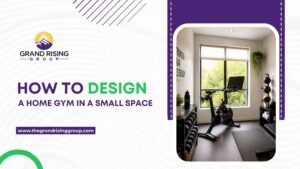

Creating a home gym does not require a large room or an entire floor of your house. With thoughtful planning and smart space-saving solutions, even a small room, corner, basement, or unused area can become a functional workout space.
A well-designed home gym can make exercising more convenient while helping you stay consistent with your fitness routine. Choosing compact equipment, using vertical storage, and making the most of available floor space can help create a comfortable and organized environment.
This guide explores practical ways to design a home gym in a small space without sacrificing functionality or style.
Why Create a Home Gym in a Small Space?
A home gym provides the convenience of exercising without having to travel to a fitness center.
A small workout area can help you save time, keep equipment easily accessible, and create a dedicated place for exercise. With the right layout, even limited space can support a variety of workouts.
Smart planning makes a small workout area more useful.
Choose the Right Location
The first step in creating a home gym is choosing an appropriate location.
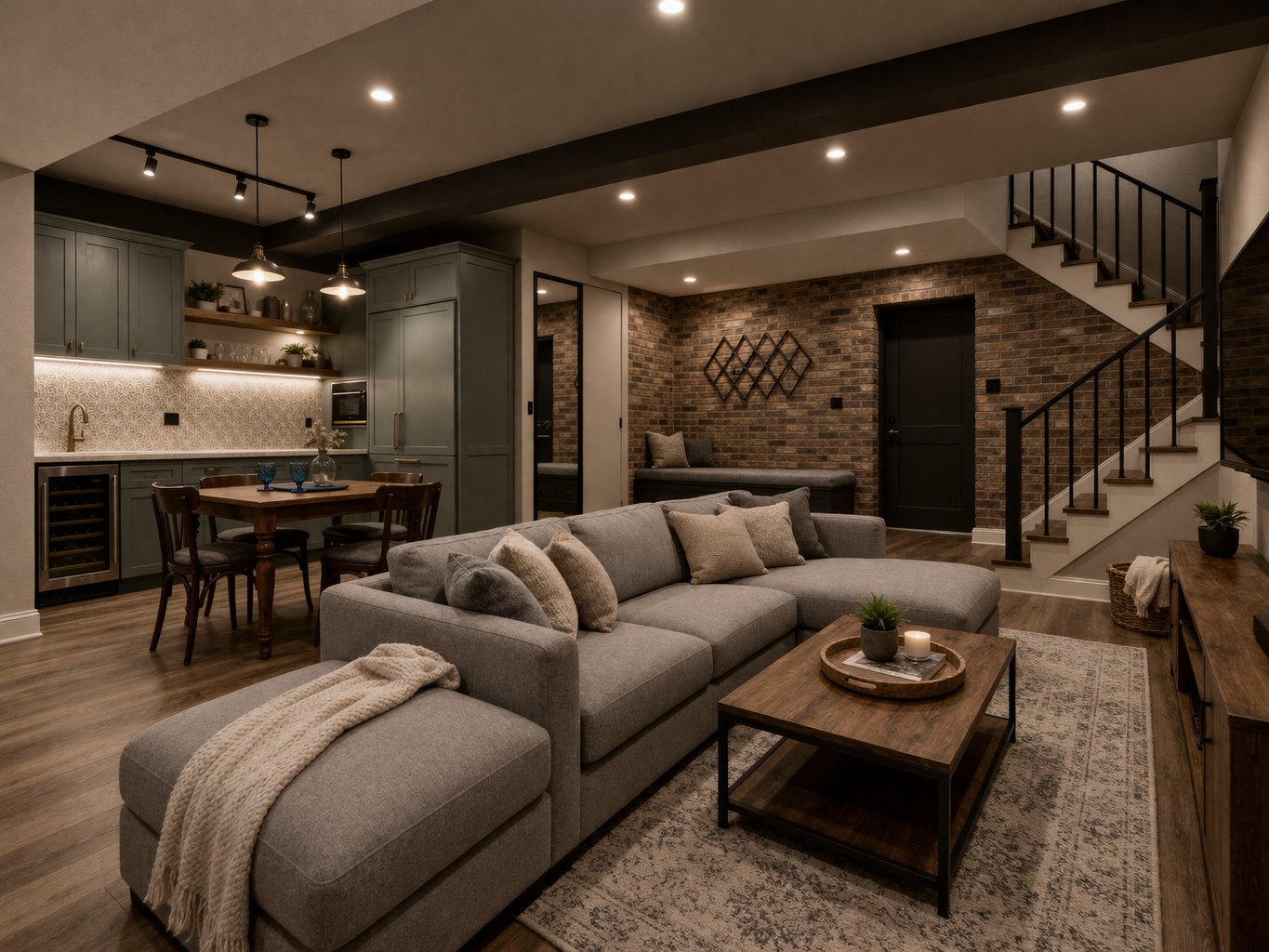
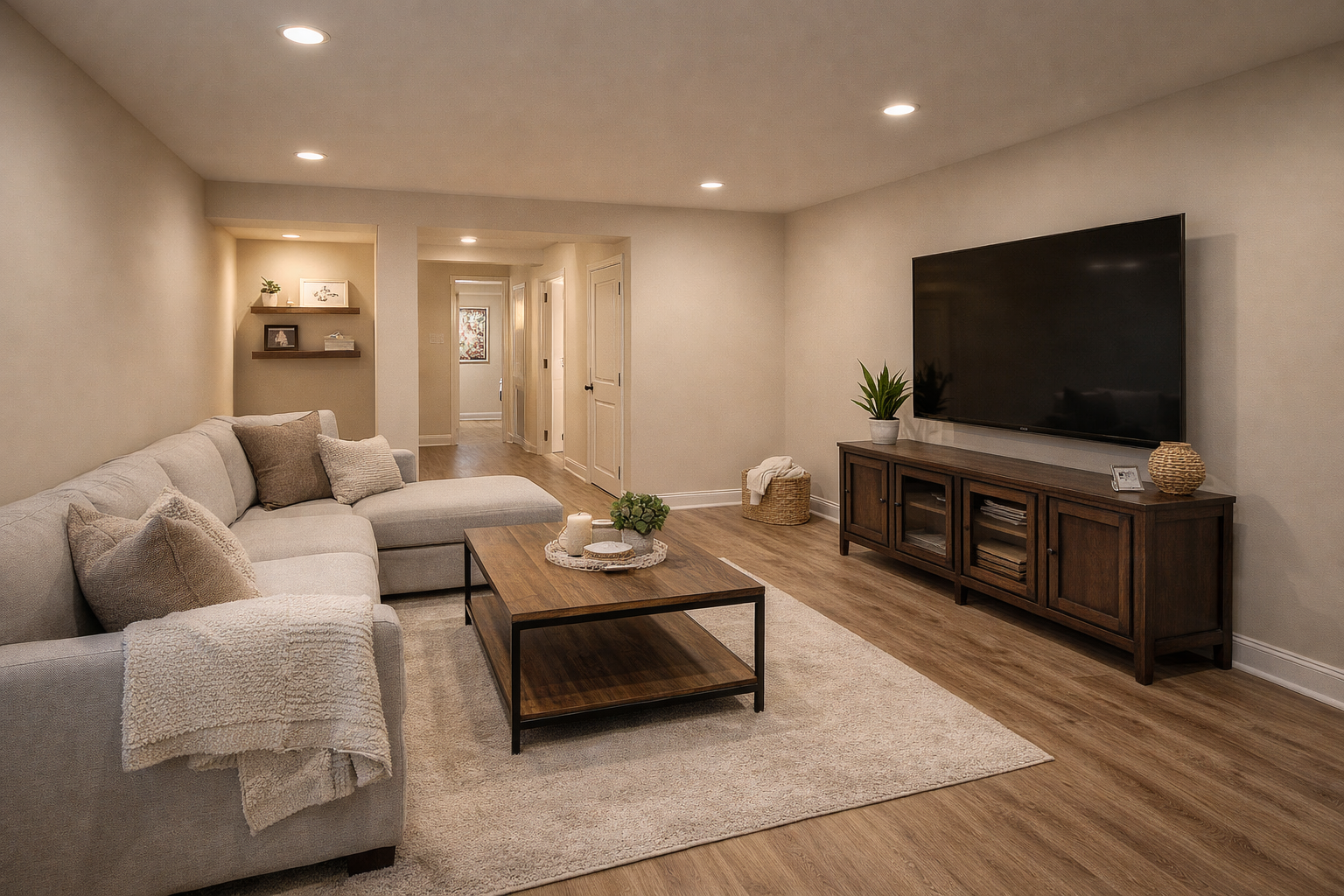
An unused bedroom corner, basement area, garage section, spare room, or part of a home office can work well. Choose a location with enough ventilation, lighting, and clear floor space for your workouts.
The right location improves comfort and functionality.
Select Compact Exercise Equipment
Small spaces require carefully selected equipment.
Choose versatile home gym equipment such as adjustable dumbbells, resistance bands, kettlebells, yoga mats, and compact benches that can support multiple exercises without taking up too much room.
Multi-purpose equipment helps maximize limited space.
Use Foldable Equipment
Foldable equipment can be particularly useful in a small home gym.
Foldable treadmills, benches, exercise bikes, and workout mats can be stored away when they are not being used, allowing the room to serve multiple purposes.
Flexible equipment makes small rooms more practical.
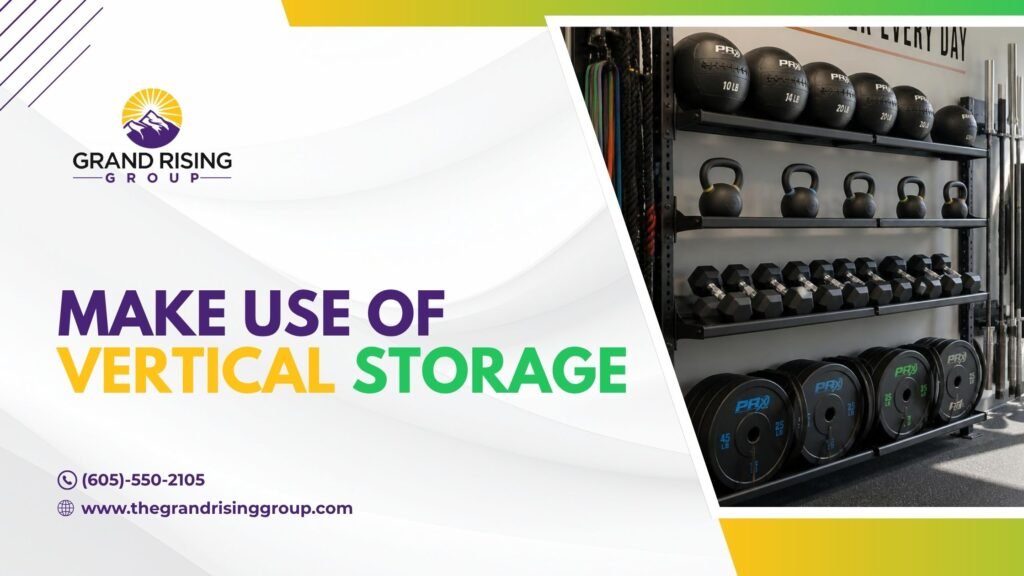
Make Use of Vertical Storage
When floor space is limited, look upward.
A smart home gym can include wall-mounted racks, shelves, hooks, and storage systems for resistance bands, yoga mats, jump ropes, and other accessories.
Vertical storage keeps the floor clear and the room organized.
Install a Wall Mirror
Mirrors can make a small home gym feel more spacious.
A large wall mirror can reflect light, create the illusion of additional space, and allow you to check your exercise form while working out.
Mirrors combine functionality with visual appeal.
Choose Durable Flooring
The right flooring is essential for any home gym.
Rubber flooring, foam tiles, and other durable surfaces can provide cushioning, reduce noise, and protect the existing floor from exercise equipment.
A suitable floor improves safety and comfort.
Improve the Lighting
Good lighting can make your home gym feel brighter and more inviting.
Use natural light whenever possible and supplement it with ceiling lights, wall lighting, or adjustable fixtures to ensure the workout area is well illuminated.
Bright spaces can make exercise more enjoyable.
Keep the Design Simple
A small home gym can quickly feel crowded if it contains too much equipment or decoration.
Choose only the equipment you regularly use and keep unnecessary items out of the workout area. A clean and simple design allows you to move more freely.
Minimalism helps maximize usable space.
Add Smart Storage Solutions
Storage is essential when designing a compact home gym.
Use storage baskets, wall-mounted shelves, cabinets, hooks, and equipment racks to keep workout accessories organized and easy to access.
Good organization prevents clutter.
Create a Multi-Purpose Workout Area
A small space can support different types of exercise when planned carefully.
Your home gym can include an open area for yoga, stretching, bodyweight exercises, strength training, or cardio workouts. Choose equipment that supports multiple activities.
A flexible layout makes every square foot count.
Add Comfortable Finishing Touches
Small details can make your home gym more enjoyable.
Add a water bottle station, towel storage, a small speaker, motivational artwork, or a comfortable mat to create a welcoming environment.
Simple additions can improve the overall workout experience.
Conclusion
Designing a home gym in a small space is possible with thoughtful planning and smart organization. By choosing compact equipment, using vertical storage, installing suitable flooring, improving lighting, and keeping the layout simple, homeowners can create a practical workout area without needing a large room.
Whether you have a small corner, spare bedroom, basement, or multi-purpose room, the right design can turn limited space into a comfortable and functional home gym that supports your everyday fitness routine.
FAQs
1. How do I create a home gym in a small space?
Choose a suitable location, use compact equipment, maximize vertical storage, and keep the layout simple and organized.
2. What equipment is best for a small home gym?
Adjustable dumbbells, resistance bands, kettlebells, yoga mats, and compact benches are useful options for limited spaces.
3. Can I create a home gym without a separate room?
Yes. A corner of a bedroom, basement, garage, office, or another suitable area can become a functional workout space.
4. How can I save space in my home gym?
Use foldable equipment, wall-mounted storage, vertical shelves, hooks, and multi-purpose exercise equipment.
5. What flooring is best for a small home gym?
Rubber flooring and foam tiles are popular options because they provide cushioning, reduce noise, and help protect the floor.
6. Do mirrors make a small home gym look bigger?
Yes. Large mirrors can reflect light and create the visual impression of a more spacious workout area.
7. How can I keep a small home gym organized?
Use wall racks, shelves, cabinets, baskets, and hooks to keep equipment off the floor and easy to access.
8. What should I consider when designing a small home gym?
Consider the available space, equipment needs, ventilation, lighting, flooring, storage, safety, and the types of workouts you plan to perform.