
A garbage disposal is one of the hardest-working appliances in the kitchen, but it is often overlooked during routine cleaning. Over time, food particles, grease and residue can build up inside the unit, creating unpleasant odors and reducing its efficiency. Knowing how to clean a garbage disposal properly helps maintain a fresh-smelling kitchen while extending the life of your appliance.
Regular maintenance not only improves performance but also prevents stubborn clogs and bacteria buildup. Fortunately, you do not need harsh chemicals to keep your disposal clean. With a few simple household items and regular care, you can easily restore freshness and maintain proper operation.
This guide explains practical and effective ways to clean a garbage disposal while keeping your kitchen fresh and odor free.
Why It Is Important to Clean a Garbage Disposal Regularly
Regularly clean a garbage disposal to improve hygiene and appliance performance.
Trapped food waste and grease foster bacterial colonies while stalling grinding impellers. Incorporating disposal flushes into comprehensive appliance maintenance solutions extends your unit’s motor life and keeps kitchen drains running smoothly.
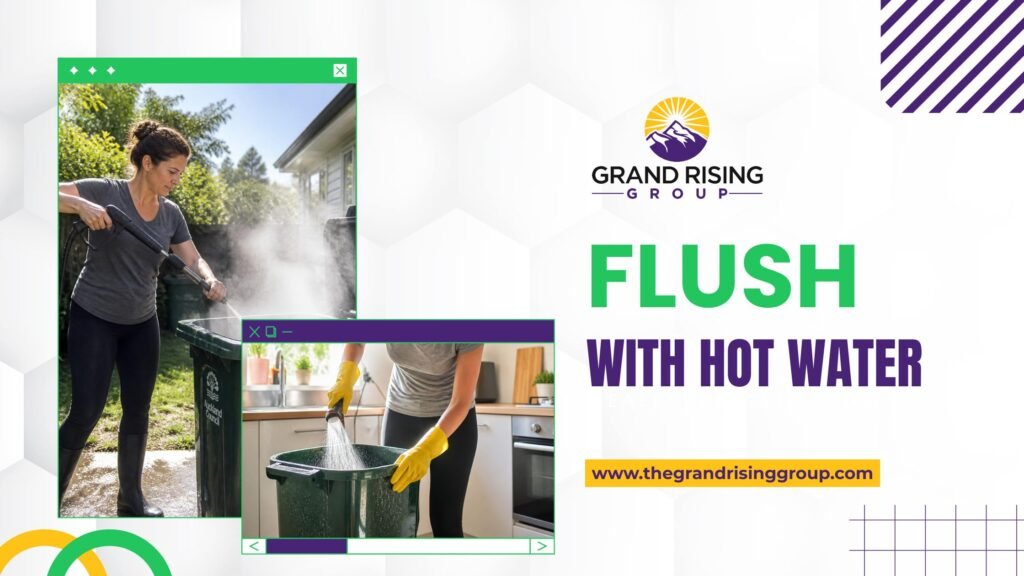
Flush with Hot Water to Loosen Trapped Grease and Debris
One of the easiest ways to clean a garbage disposal is by flushing it with hot water.
Run hot water through the disposal for several minutes before and after use to help loosen grease and wash away food particles.
Hot water supports better cleaning performance.
Use Baking Soda and Vinegar for Natural Deodorizing
A natural cleaning solution works well to clean a garbage disposal.
Pour baking soda into the disposal, followed by white vinegar. Allow the mixture to fizz for several minutes before flushing it with hot water.
This chemical-free method removes odors and helps break down buildup.
Clean the Rubber Splash Guard to Eliminate Hidden Bacteria
The rubber baffle underneath the sink collar traps rotting food particles on its underside. If deep scrubbing fails to resolve clogs or water starts pooling, calling for licensed kitchen plumbing diagnostics ensures your P-trap and disposal lines are free from internal blockages.
Grind Ice Cubes and Rock Salt to Scrape the Impellers
Ice cubes are an effective way to clean a garbage disposal.
Place several ice cubes into the disposal and run it while cold water is flowing. The ice helps remove food buildup from the grinding components.
Ice also helps keep the blades cleaner.
Freshen with Citrus Peels for a Clean Natural Scent
Citrus fruits naturally deodorize the disposal.
After you clean a garbage disposal, grind lemon, lime or orange peels to leave behind a clean and refreshing scent.
Natural citrus oils help neutralize unpleasant odors.
Avoid Pouring Cooking Grease and Fats Down the Drain
Grease is one of the leading causes of buildup.
To reduce the need to clean a garbage disposal, avoid pouring grease, cooking oil or fat into the unit, as these substances harden inside pipes.
Proper disposal habits protect your plumbing.
Run Cold Water During Operation to Solidify Fats
Cold water keeps fats solidified so the impellers can chop them up rather than smearing them inside the waste pipe. If you are planning functional kitchen island designs with a prep sink disposal, ensuring dedicated high-volume water lines is essential for daily efficiency.
Establish a Biweekly Routine to Clean It Regularly
Routine maintenance keeps the disposal operating efficiently.
Make it a habit to clean a garbage disposal every one to two weeks to prevent odors and maintain peak performance.
Regular care reduces future maintenance.
Know What Food Items Never to Put in a Disposal
Some items should never enter the disposal.
Avoid putting coffee grounds, eggshells, fibrous vegetables, bones, pasta and rice into the disposal, as they can contribute to clogs and unnecessary wear.
Proper use extends the appliance’s lifespan.
Inspect Undersink Plumbing for Stubborn Lingering Odors
Persistent odors may indicate trapped debris.
If unpleasant smells remain after you clean a garbage disposal, inspect the splash guard, drain opening and surrounding plumbing for hidden buildup.
Thorough cleaning restores freshness.
When to Call a Professional Licensed Plumber for Repairs
Frequent jams, electrical hums, or water pooling under the cabinet indicate mechanical failure. When older units break down during contemporary kitchen renovation upgrades, upgrading to an insulated, high-horsepower disposal guarantees quiet, jam-free performance.
Final Thoughts on How to Clean a Garbage Disposal
Adopting natural cleaning habits keeps your kitchen smelling fresh without corroding underlying pipes. Working with trusted South Dakota plumbing contractors gives you peace of mind whenever appliance hookups, sink installations, or drain lines need professional attention.
Regular care prevents emergency kitchen backups and maintains steady drainage. Partnering with top rated local home contractors ensures your residential plumbing and structural remodeling are handled with verified craftsmanship.
Frequently Asked Questions (FAQs)
1. How often should I clean a garbage disposal?
Cleaning your garbage disposal every one to two weeks helps prevent odors and buildup.
2. Can baking soda and vinegar clean a garbage disposal?
Yes. Baking soda and vinegar naturally remove odors and help loosen food residue.
3. Is it safe to use bleach to clean a garbage disposal?
Natural cleaning methods are generally recommended, as harsh chemicals may damage components over time.
4. Why does my garbage disposal smell bad?
Food particles, grease and bacteria trapped inside the disposal or splash guard commonly cause unpleasant odors.
5. Can ice cubes clean a garbage disposal?
Yes. Ice cubes help remove buildup from the grinding chamber while sharpening the cleaning action.
6. Should I use hot or cold water with my garbage disposal?
Use cold water during normal operation and hot water when flushing after cleaning.
7. What foods should not go into a garbage disposal?
Avoid grease, oil, bones, coffee grounds, eggshells, fibrous vegetables, pasta and rice.
8. When should I call a plumber for my garbage disposal?
If cleaning does not eliminate odors, or if the disposal leaks, clogs repeatedly or makes unusual noises, contact a professional.