
A constantly running toilet may seem like a minor inconvenience, but it can waste hundreds of gallons of water each day and significantly increase your monthly utility bills. Fortunately, many of the most common issues are simple to diagnose and repair without replacing the entire toilet. Knowing how to fix a running toilet can save you water, reduce expenses, and help prevent larger plumbing problems in the future.
Most toilet problems are caused by worn parts inside the tank, such as the flapper, fill valve, or float mechanism. By understanding how these components work together, homeowners can often complete minor repairs using only basic tools and minimal experience.
This guide offers practical techniques to fix a running toilet and keep your bathroom plumbing working efficiently.
Why a Toilet Runs Continuously in Residential Homes
Before you fix a leaking toilet, you need to know what is causing the problem.
Usually, a running toilet is caused because water is leaking continuously from the tank into the bowl. Common causes include:
- Worn flapper
- Improperly adjusted float
- Faulty fill valve
- Damaged flush valve
- Loose chain
It’s much easier to repair something when you know what’s wrong.
Check the Toilet Flapper for Cracks and Mineral Buildup
A worn flapper is one of the most common reasons homeowners need to fix a running toilet.
Remove the tank lid and inspect the rubber flapper for:
- Cracks
- Warping
- Mineral buildup
Ensure the rubber flapper creates a watertight seal over the drain seat. If degraded rubber allows water to trickle constantly into the bowl, addressing this early prevents the need for urgent plumbing leak repair down the road.
Inspect and Adjust the Fill Valve for Proper Water Flow
If the tank isn’t shutting off correctly, the fill valve may be the problem.
Inspect the fill valve for signs of wear or improper shutoff. Regulating internal tank hardware is part of dependable mechanical property maintenance that preserves indoor fixtures and protects your water conservation efforts.
Adjust the Float to Control Tank Water Levels
The float controls the water level inside the tank.
If you’re trying to fix a running toilet, check whether the float is adjusted too high. When the water level rises above the proper level, it continuously flows into the overflow tube, causing the toilet to run.
Lowering the float is often a quick and easy solution.
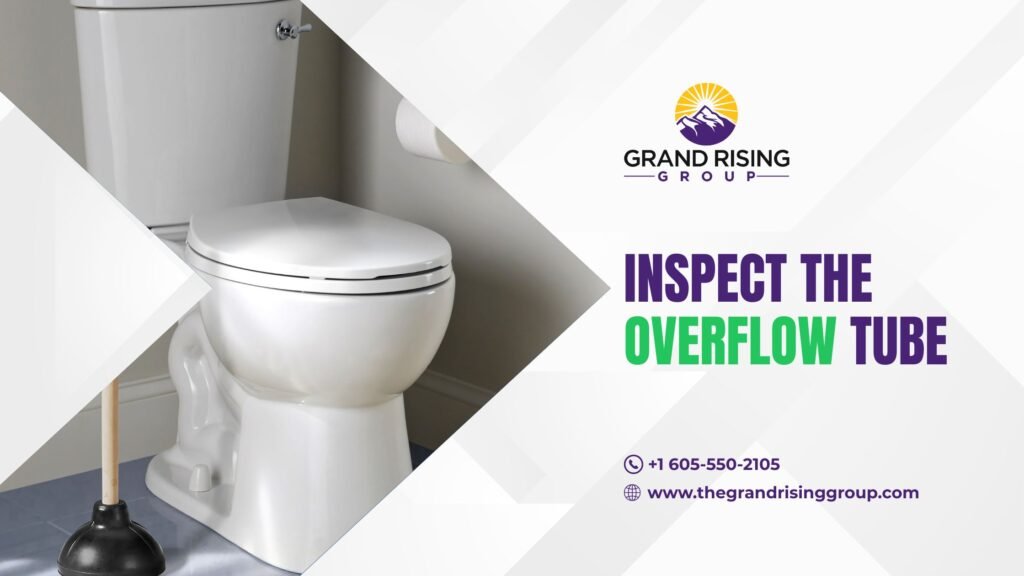
Inspect the Overflow Tube for Excess Water Spills
The overflow tube prevents the tank from overfilling.
When repairing a running toilet, ensure the water level stays below the top of the overflow tube. If water continues flowing into the tube, adjust the float or replace the fill valve if necessary.
Proper water levels improve toilet efficiency.
Inspect and Adjust the Lift Chain for Proper Slack
If the lift chain is too tight or tangled, the flapper may not close completely.
An easy way to fix a running toilet is to make sure the chain has a small amount of slack when the flapper is fully closed. This allows the flapper to create a proper seal after every flush.
Small adjustments can completely stop unnecessary water flow.
Clean Hard Water Mineral Deposits from Moving Parts
Hard water often leaves mineral deposits inside the toilet tank.
Sometimes the only thing needed to fix a running toilet is cleaning the internal components. Mineral buildup can interfere with the flapper, float, and fill valve.
Regular cleaning keeps all moving parts operating correctly.
Replace Worn Toilet Tank Parts with Quality Replacements
Older toilets naturally experience wear over time.
Replacing internal rebuild kits permanently eliminates silent water loss. When dealing with severely outdated fixtures, many homeowners choose modern bathroom remodeling overhauls to upgrade to high-efficiency, water-saving commodes.
Test the Toilet Thoroughly After Completing Repairs
Always test your repair before replacing the tank lid.
After you’ve fixed a running toilet, flush it several times to ensure:
- The tank fills correctly.
- The flapper seals properly.
- The water shuts off at the correct level.
Testing confirms the repair was successful.
Routine Maintenance to Prevent Future Toilet Problems
Routine maintenance keeps your bathroom plumbing functioning smoothly. Just as learning natural tricks to clear a clogged shower drain prevents standing water, inspecting tank components twice a year stops silent leaks before utility bills surge.
When to Call a Professional Licensed Plumber
Some plumbing issues require professional assistance.
If basic adjustments do not stop continuous running, or if you notice cracked porcelain and base leaks, call in an expert. Securing licensed residential plumbing solutions guarantees all wax rings, shutoff valves, and drain lines meet local sanitary codes
Final Thoughts on How to Fix a Running Toilet
Mastering simple toilet fixes prevents hundreds of gallons from going down the drain. Pairing DIY knowledge with reputable South Dakota plumbing specialists gives you an immediate partner when complex valve failures or hidden leaks arise.
Performing seasonal inspections ensures your bathroom hardware operates smoothly for years. We provide trusted general contracting and maintenance designed to help property owners preserve their home’s functionality and value.
FAQs
1. Why does my toilet keep running?
Common causes include a worn flapper, a faulty fill valve, an improperly adjusted float, a damaged flush valve, or a loose lift chain.
2. Can I fix a running toilet myself?
Yes. Most running toilet problems can be repaired using basic tools and inexpensive replacement parts.
3. How can I tell if the flapper is bad?
If the rubber flapper is cracked, warped, or doesn’t seal properly, it likely needs replacement.
4. Why does water flow into the overflow tube?
The float is set too high, or the fill valve isn’t shutting off correctly.
5. How much water can a running toilet waste?
A running toilet can waste hundreds of gallons of water every day, significantly increasing your water bill.
6. How often should I inspect my toilet tank?
Inspect the internal components at least once or twice each year.
7. When should I replace the fill valve?
Replace the fill valve if it no longer shuts off properly or shows signs of wear and corrosion.
8. When should I call a plumber?
Call a professional if repairs don’t solve the problem or if you discover leaks, cracks, or other plumbing issues beyond the toilet tank.