
A wooden fence is a timeless addition to any home, providing privacy, protection and natural beauty. But because wood is always exposed to rain, sun, humidity and changing temperatures, it requires frequent care to keep it in outstanding shape. When you neglect the appropriate wood fence maintenance, moisture can creep into the wood and cause rot, mold, mildew and structural damage that diminishes the life of your fence.
The good news is that you don’t need any fancy tricks to prevent decay. With frequent inspections, appropriate cleaning, protective treatments and timely repairs, a homeowner may keep a fence in good condition for many years. Investing a small bit of time in wood fence maintenance will not only help your fence seem good, but will also help you avoid expensive replacements in the future.
This tutorial shows you the best ways to keep a wood fence in good repair and protect it from rot and water damage.
Why Wood Fence Maintenance Matters
Wood naturally absorbs moisture from the atmosphere, therefore regular wood fence maintenance is necessary. As time goes by, the extra moisture will weaken the wood fibers, producing the ideal conditions for rot, mold, mildew and insect damage.
Good maintenance produces a protective barrier against weather exposure, while retaining the beauty and structural strength of the fence.
Inspect Your Fence Regularly
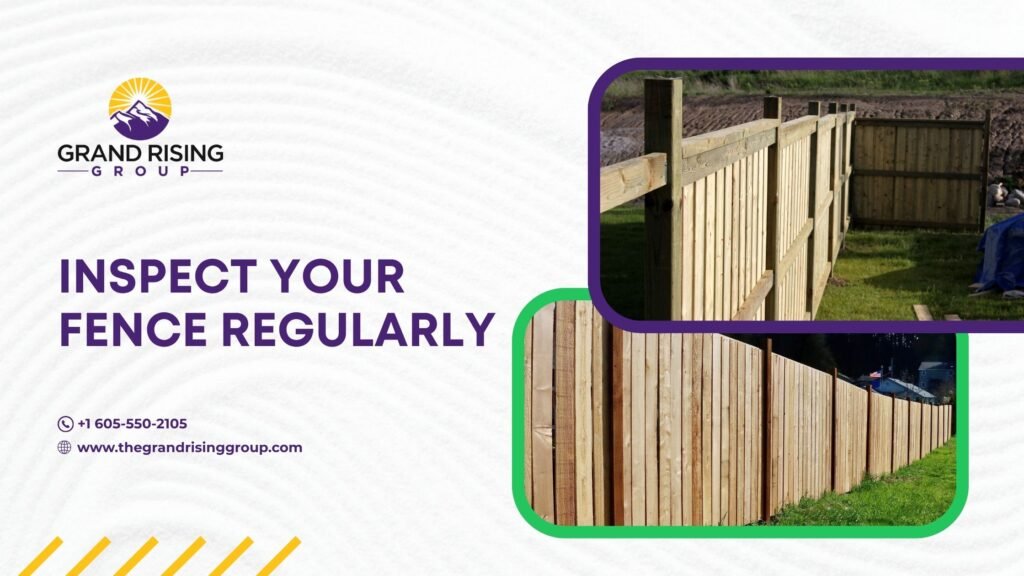
Routine inspections are the cornerstone of good wood fence maintenance.
Walk around your fence many times a year and inspect for:
- Soft or spongy wood
- Cracks and fissures
- Boards loose
- Leaning fence posts
- Mold and mildew
- Rusty nails or screws
Small problems are easier to fix if you catch them early and can avert more serious damage.
Clean Your Fence
One of the easiest types of wood fence maintenance is keeping the fence clean.
Dirt, leaves, algae and mildew can be removed using a garden hose or a wood-safe fence cleaner. Organic detritus holds moisture against the wood, raising the chance of rot.
Cleaning your fence once or twice a year can keep it looking its best, and will help the protective coatings last longer.
Get Rid of Mold and Mildew Immediately
Mold and mildew are common indications of excess moisture.
A key part of wood fence maintenance is treating mold promptly when it arises. Remove fungal growth with a wood-specific cleaner to prevent the fungus from spreading further into the fence.
Give the wood a quick treatment to maintain both its looks and durability.
Apply a Protective Sealant
One of the finest ways to do wood fence maintenance is to apply a high grade wood sealer.
Sealants establish a moisture-resistant barrier to prevent water from soaking into the wood. Many products also offer UV protection to prevent fading and surface degradation from the sun.
Re-apply the sealant according to the manufacturers directions to preserve the protection.
Periodically Stain the Fence
Staining is another great wood fence maintenance strategy.
A quality wood stain will accentuate the natural beauty of the fence and guard it from moisture, sunshine and weather exposure. Many fences benefit from re-staining every few years depending on the region and product used.
Staining helps prolong the life of the fence and keeps it looking fresh.
Keep Away Plants
If plants are too tall, they can hold moisture against a wooden fence.
During routine wood fence maintenance, cut back shrubs, vines and tall grass against the fence. Leave room around the fence to get greater air circulation for the wood and to dry it out quicker after rain.
Good landscaping decreases the moisture exposure over time.
Better Drainage Near the Fence
Standing water is one of the major causes of wood decay.
A good wood fence maintenance tip is to make sure water drains away from fence posts instead of pooling around them. Good grading and drainage will minimize moisture accumulation that degrades wood over time.
Well-drained soil will make wooden fence posts last much longer.
Repair Broken Boards Immediately
Don’t dismiss even slight harm.
Cracked, split or fractured boards let more water into the wood. Regular wood fence maintenance involves replacing damaged portions to prevent rot from spreading and to protect the structural integrity of the fence.
In many cases a quick fix will be cheaper than replacing whole sections of fence.
Guard Fence Posts
Fence posts are especially vulnerable since they are in contact with the ground.
Checking posts for movement, rot or decay is an important part of wood fence maintenance. Using preventive coatings and providing proper drainage around posts helps prevent moisture-related damage.
Strong posts provide the whole fence long term stability.
Protect Against Insects
Wood-destroying insects generally attack weaker, moist timber.
Regular wood fence maintenance will assist to minimize bug problems by keeping the fence dry and making timely repairs to damaged areas. Termites and other pests are less attracted to healthy, sealed wood.
The first symptoms of insect activity will also show up during routine checks.
Repaint or Refinish As Necessary
Regular refinishing is required to keep painted wood fences protected.
Once the paint starts to peel, fracture or blister it might allow moisture to access the wood below. Repainting is a part of your wood fence maintenance program that restores protection and improves curb appeal.
Always adequately prepare the surface before applying new finishes.
Seasonal Maintenance Tips
We need different maintenance in different seasons.
For improved wood fence maintenance during the year:
- Rake leaves in the fall.
- Check for winter weather damage in spring.
- Summer cleans up dirt and pollen.
- Check the drainage before the rainy seasons.
Seasonal maintenance can assist prevent long-term wear and tear.
Common Mistakes to Avoid
Avoid these typical blunders while doing wood fence maintenance:
- Not fixing tiny cracks or loose boards
- Allowing the plants to grow up against the fence
- Routine cleaning missed
- Delay in repair
- Ignoring the protective sealants
- Water permitted to stand near fence posts
- Waiting till the rot is bad
Avoid these blunders and you will get many more years out of your fence.
Final Words
The secret to avoiding rot and increasing the life of your fence is proper wood fence maintenance. Regular inspections, deep cleaning, moisture protection, quick repairs, and seasonal maintenance all combine to maintain your fence sturdy and attractive.
A wood fence may add beauty, security and value to a home, but homeowners need to spend a little amount of time each year to prevent costly repairs. Consistent wood fence maintenance will guarantee your fence stays a dependable and aesthetic addition to your property for years to come.
FAQs
1. How often do I need to take care of a wood fence?
Inspect your fence a few times a year, and clean it once or twice a year at a minimum.
2. Why do wood fences get rotten?
Main culprits are excess moisture, inadequate drainage, mould and long exposure to wet environments.
3. Should I seal my wooden fence?
Yes. Apply a quality sealer to preserve the wood from moisture and UV damage.
4. How do I stop my wood fence from growing mold?
Regular cleaning, increased airflow, and keeping vegetation away from the fence will help avoid mold formation.
5. Painting vs. Staining
Both protect but stains penetrate the wood and paint provides a protective surface coating.
6. Why do fence posts rust more easily?
Because they are in contact with the earth, fence posts are more exposed to dampness.
7. How To Repair Rotten Fence Boards
Minor damage is usually repairable but badly decayed boards should be replaced.
8. Will keeping the wood fence in good repair help it last longer?
Yes. With regular wood fence maintenance, your fence will last a lot longer and have less decay, weather damage, and expensive repairs.