
As more homeowners prioritize environmental responsibility, sustainable home improvement choices have become increasingly important. Outdoor living spaces are no exception. When planning a new deck or replacing an existing one, selecting environmentally conscious materials can reduce environmental impact while still delivering durability, beauty, and long term value. Understanding the advantages of sustainable decking materials can help homeowners create outdoor spaces that align with their commitment to sustainability.
Traditional decking materials often rely on harvested timber and manufacturing processes that can contribute to environmental concerns. Fortunately, modern decking options provide eco-friendly alternatives that minimize resource consumption and waste. Many of these materials are designed to last for decades, reducing the need for frequent replacements and conserving natural resources.
In this guide, we will explore some of the best sustainable decking materials available today and discuss why they are becoming popular choices for environmentally conscious homeowners.
Why Choosing Sustainable Decking Materials Is Important Today
Choosing sustainable decking materials is about more than protecting the environment. It also involves creating durable outdoor spaces that require fewer resources over time.
Sustainable materials often offer excellent longevity, low maintenance requirements, and resistance to weather related damage. By investing in products designed to last, homeowners can reduce waste while enjoying lower maintenance costs.
Eco friendly decking choices contribute to healthier communities and support responsible manufacturing practices that prioritize environmental stewardship.
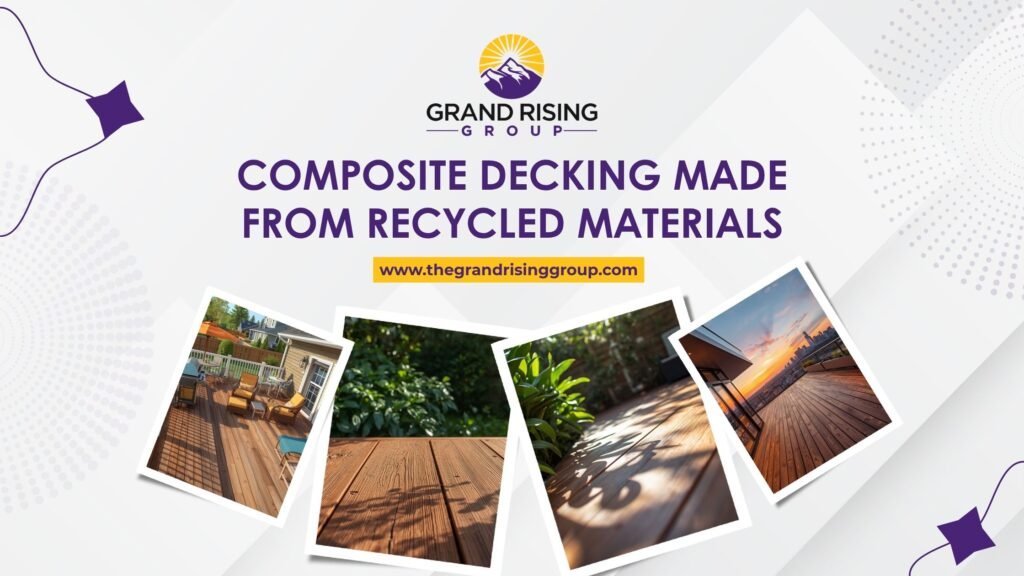
Composite Decking Made From Recycled Materials for Durability
One of the most popular sustainable decking materials available today is composite decking.
Composite decking is typically manufactured using a combination of recycled wood fibers and recycled plastic materials. By repurposing these resources, manufacturers help reduce landfill waste and decrease demand for virgin timber.
In addition to its environmental benefits, composite decking offers excellent durability, resistance to moisture, and minimal maintenance requirements. Homeowners can enjoy the appearance of wood with zero staining. Exploring the full composite decking benefits reveals why this is a leading choice for modern, eco-friendly homes.
Because of its long lifespan, composite decking remains one of the leading choices for sustainable outdoor construction.
Renewable Benefits of Choosing Natural Bamboo Decking
Bamboo is widely recognized as one of the most renewable sustainable decking materials available.
Unlike traditional hardwood trees that can take decades to mature, bamboo grows rapidly and can be harvested within a few years. This fast growth cycle makes bamboo a highly renewable resource.
Modern bamboo decking products are engineered for strength and durability, making them suitable for outdoor applications. Bamboo also offers a unique and attractive appearance that complements many contemporary design styles.
For homeowners seeking environmentally friendly alternatives to traditional wood, bamboo is an excellent option.
Rustic Charm and Value of Reclaimed Wood Decking
Reclaimed wood represents another valuable category of sustainable decking materials.
Rather than harvesting new timber, reclaimed wood utilizes lumber recovered from old buildings, barns, factories, and other structures. Reusing existing materials helps reduce waste while preserving valuable natural resources.
Reclaimed wood features unique character that adds instant appeal. Integrating such materials is one of many functional home improvement solutions that combine beauty with responsibility.
Although reclaimed wood may require additional preparation and maintenance, it remains a popular choice among homeowners who appreciate both sustainability and rustic charm.
Responsibly Sourced Hardwood for a Natural Finish
For homeowners who prefer natural wood, responsibly sourced hardwood can be one of the more environmentally conscious sustainable decking materials.
Certain hardwood products are certified by organizations that promote sustainable forestry practices. These certifications help ensure that forests are managed responsibly and that harvested trees are replaced through ongoing conservation efforts.
Durable hardwoods can provide long service lives. Our professional deck construction services specialize in sourcing and installing certified wood to meet your project goals.
Choosing certified products allows homeowners to enjoy natural wood while supporting responsible forest management.
Innovative Thermally Modified Wood for Enhanced Durability
Thermally modified wood has emerged as one of the innovative sustainable decking materials available in modern construction.
This process uses heat treatment rather than chemical preservatives to improve the wood’s durability and resistance to moisture, insects, and decay. As a result, thermally modified wood offers enhanced performance while maintaining a more environmentally friendly profile.
The treatment process extends the lifespan of the wood and reduces the need for chemical maintenance products.
This makes thermally modified wood an appealing option for eco conscious homeowners.
Key Benefits of Choosing Sustainable Decking Materials
Choosing sustainable decking materials offers several important advantages beyond environmental protection.
Reduced Environmental Impact
Many sustainable materials utilize recycled content or renewable resources, helping conserve natural ecosystems and reduce waste.
Long Term Durability
Durable materials require fewer replacements, reducing resource consumption over time.
Lower Maintenance Requirements
Many sustainable decking products resist moisture, insects, and weather damage, reducing the need for maintenance.
Enhanced Property Appeal
Environmentally friendly features can increase a home’s attractiveness to eco conscious buyers.
Support for Responsible Manufacturing
Purchasing sustainable products encourages manufacturers to adopt environmentally responsible practices.
Factors to Consider When Choosing Sustainable Decking
When evaluating sustainable decking materials, homeowners should consider several key factors.
Climate Conditions
Different materials perform better in certain climates. Moisture resistance, UV protection, and temperature tolerance should all be evaluated.
Maintenance Expectations
Some materials require more upkeep than others. Consider how much maintenance you are willing to perform over time.
Budget
Initial installation costs vary significantly between materials. It is important to evaluate both upfront expenses and long term maintenance costs.
Aesthetic Preferences
Sustainable decking materials are available in a wide range of colors, textures, and finishes to match different design styles.
Lifespan
Long lasting materials often provide greater sustainability by reducing replacement frequency.
How to Create an Eco Friendly Outdoor Living Space
Decking is only one part of a sustainable outdoor design strategy. Homeowners can further enhance environmental responsibility by incorporating native landscaping, energy efficient outdoor lighting, water conservation features, and recycled furnishings.
Combining these elements with sustainable decking materials creates outdoor spaces that are both beautiful and environmentally responsible.
Thoughtful design choices let you enjoy your backyard responsibly. This commitment to quality is why homeowners trust our expert team for all their local South Dakota construction projects.
Final Thoughts on Building a Sustainable Backyard Deck
Choosing sustainable decking materials is an excellent way for homeowners to create attractive outdoor living spaces while supporting environmental conservation. Options such as composite decking, bamboo, reclaimed wood, responsibly sourced hardwood, and thermally modified wood provide durable alternatives to traditional decking materials.
By selecting products that prioritize renewable resources, recycled content, and long term performance, Homeowners can reduce environmental impact with smart material choices. We are dedicated to providing reliable home renovation services that align with your values and design preferences. Sustainable decking represents a smart investment that benefits both the homeowner and the environment.
With careful planning, you can build a beautiful and responsible outdoor space. You can schedule a professional consultation with our team to start your eco-friendly deck project today. that combines style, durability, and sustainability.
FAQs
What are sustainable decking materials?
Sustainable decking materials are environmentally friendly products made from renewable resources, recycled materials, or responsibly sourced wood.
Is composite decking considered sustainable?
Yes, many composite decking products are made using recycled wood fibers and recycled plastics.
Why is bamboo considered eco friendly?
Bamboo grows rapidly and can be harvested much faster than traditional hardwood trees.
What is reclaimed wood decking?
Reclaimed wood decking uses lumber recovered from old structures instead of newly harvested timber.
Are sustainable decking materials durable?
Yes, many sustainable materials offer excellent durability and long service lives.
Does sustainable decking require less maintenance?
Many sustainable decking products are designed to resist moisture, insects, and weather damage, reducing maintenance needs.
How can I verify responsibly sourced wood?
Look for certifications from organizations that promote sustainable forestry practices.
Do sustainable decking materials increase home value?
Eco friendly outdoor features can enhance property appeal and attract environmentally conscious buyers.