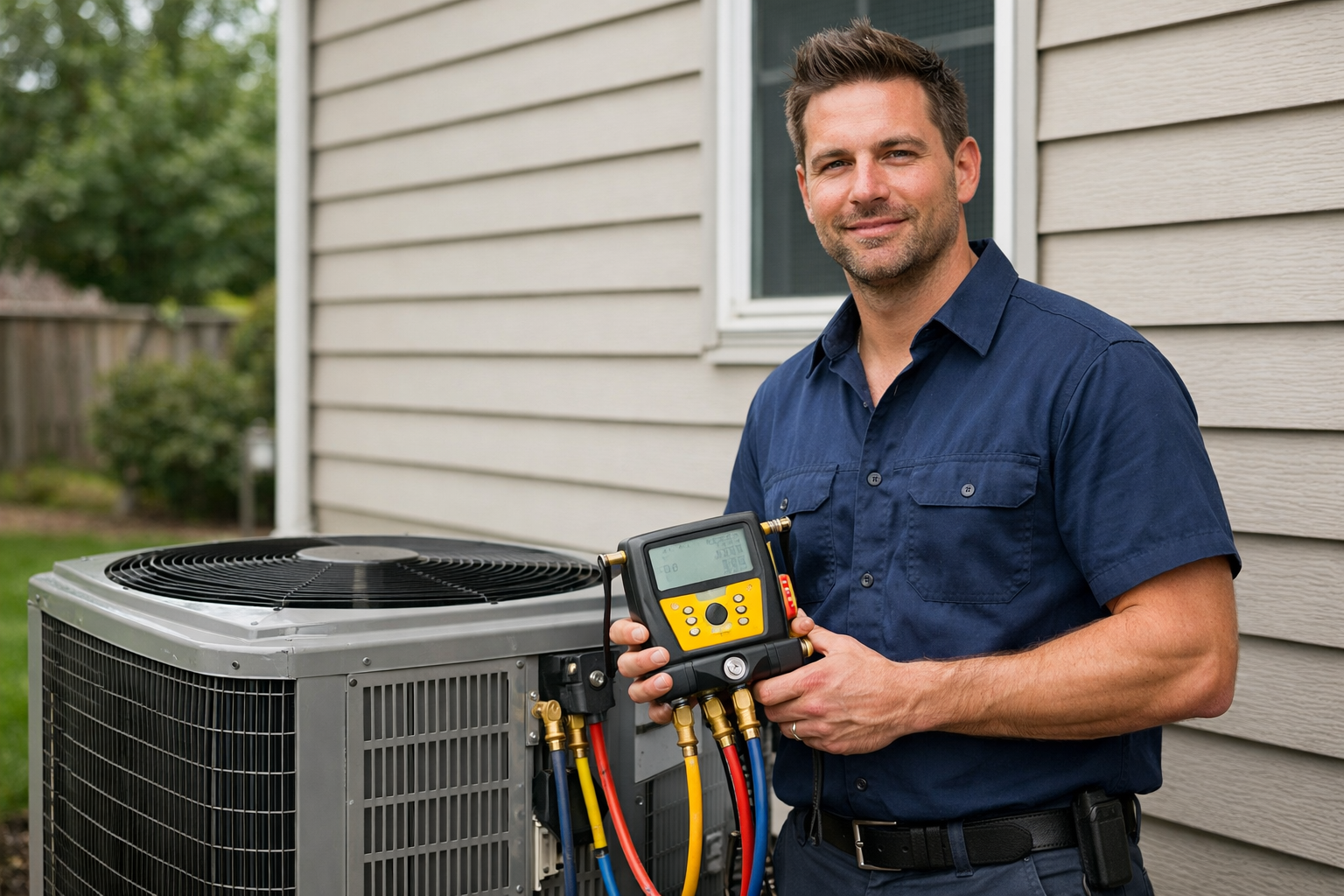

Indoor air quality plays a major role in maintaining a healthy and comfortable home environment. Many homeowners focus on cleaning visible surfaces while overlooking the importance of the air circulating throughout the house. Dust, allergens, pet dander, mold spores, and other airborne pollutants can build up indoors and negatively affect health and comfort. This is why following proper indoor air quality tips and maintaining HVAC systems regularly is essential for cleaner and healthier indoor air.
Heating and cooling systems constantly circulate air throughout the home. If HVAC systems are not properly maintained, they can spread dust and contaminants instead of filtering them effectively. Regular HVAC care helps improve airflow, maintain comfortable humidity levels, and reduce airborne pollutants.
In this guide, we will explore practical indoor air quality tips homeowners can use to improve air quality through proper HVAC maintenance and home care practices.
Replace HVAC Filters Regularly
One of the most important indoor air quality tips is replacing HVAC air filters consistently. Air filters trap dust, pollen, pet hair, mold spores, and other particles before they circulate through the home.
Dirty filters become less effective over time and may allow contaminants to spread indoors. Clogged filters also restrict airflow, forcing HVAC systems to work harder and reducing overall efficiency.
Most filters should be checked monthly and replaced every one to three months depending on household conditions and system usage.
Schedule Routine HVAC Maintenance
Professional HVAC maintenance is another essential part of following effective indoor air quality tips. Heating and cooling systems should be inspected regularly to ensure proper operation and airflow.
HVAC technicians can clean components, inspect ductwork, check refrigerant levels, and identify issues that may affect air quality. Well maintained systems filter air more effectively and reduce the buildup of dust and contaminants.
Routine maintenance also helps improve energy efficiency and system lifespan.
Clean Air Ducts When Necessary
Air ducts distribute conditioned air throughout the home, making duct cleanliness important for healthy indoor environments. One useful indoor air quality tips strategy is having air ducts inspected and cleaned when excessive dust or contamination is present.
Dust, pet hair, mold, and debris can accumulate inside duct systems over time. Dirty ducts may spread allergens and reduce HVAC efficiency.
Professional duct cleaning may help improve airflow and reduce airborne particles in certain situations.
Control Indoor Humidity Levels
Maintaining proper humidity is one of the most effective indoor air quality tips for preventing mold growth and improving comfort.
High humidity encourages mold, mildew, and dust mites, while overly dry air may irritate skin and respiratory systems. Ideally, indoor humidity should remain between thirty and fifty percent.
HVAC systems, dehumidifiers, and proper ventilation can help maintain balanced indoor moisture levels year round.
Improve Home Ventilation
Proper ventilation is another key factor when following indoor air quality tips. Fresh outdoor air helps reduce indoor pollutant buildup and improves air circulation.
Opening windows occasionally, using exhaust fans, and maintaining ventilation systems can help remove stale indoor air. Bathrooms, kitchens, and laundry areas especially benefit from proper ventilation because moisture and odors accumulate quickly in these spaces.
Good airflow creates a fresher and healthier indoor environment.
Keep HVAC Vents Clean
Dust and debris can collect around air vents and registers over time. One simple but effective indoor air quality tips method is regularly cleaning HVAC vents throughout the home.
Vacuuming or wiping vents helps prevent dust from circulating into indoor air. Furniture and curtains should also be kept away from vents to maintain proper airflow.
Clean vents support better air distribution and HVAC efficiency.
Use High Quality Air Filters
Choosing the right filter is another important part of effective indoor air quality tips. High efficiency filters capture smaller particles and improve overall air filtration.
Filters with higher MERV ratings are often more effective at trapping allergens, dust, and airborne contaminants. However, homeowners should ensure filters are compatible with their HVAC systems to avoid airflow restrictions.
Using quality filters improves both HVAC performance and indoor air cleanliness.
Reduce Indoor Pollutants
Reducing household pollutants is one of the most practical indoor air quality tips for maintaining healthier indoor environments.
Regular cleaning, vacuuming, and minimizing indoor smoking can significantly reduce airborne particles. Using low chemical cleaning products and limiting artificial fragrances may also improve air quality.
Keeping homes clean and reducing contaminant sources supports healthier breathing conditions.
Consider Air Purification Systems
Some homeowners choose additional air purification systems as part of their indoor air quality tips strategy.
Whole home air purifiers and portable filtration units can help remove allergens, bacteria, smoke particles, and odors from indoor air. UV air purification systems may also reduce mold and microbial growth inside HVAC equipment.
Air purification systems can be especially beneficial for households with allergies or respiratory sensitivities.
Maintain Clean Flooring and Upholstery
Dust and allergens often settle into carpets, rugs, and furniture. One overlooked aspect of indoor air quality tips is maintaining clean flooring and upholstery throughout the home.
Vacuuming regularly using HEPA filter vacuums helps reduce dust and pet dander buildup. Washing curtains, bedding, and upholstery also helps improve indoor cleanliness.
Cleaner surfaces contribute to better overall air quality.
Keep Outdoor Units Clear
Outdoor HVAC units also affect indoor system performance. One important indoor air quality tips practice is keeping outdoor condenser units clean and free from debris.
Leaves, dirt, and grass buildup can restrict airflow and reduce HVAC efficiency. Proper outdoor unit maintenance supports better indoor air circulation and system operation.
Routine cleaning helps improve overall HVAC performance.
Final Thoughts
Following proper indoor air quality tips and maintaining HVAC systems regularly can significantly improve home comfort and health. Clean filters, balanced humidity, proper ventilation, and routine HVAC maintenance all contribute to healthier indoor air.
Poor indoor air quality may affect allergies, respiratory health, and overall comfort, making preventive care extremely important. By reducing pollutants and improving air circulation, homeowners can create cleaner and more enjoyable living environments.
Consistent HVAC care and smart home maintenance practices help support long term indoor air quality while improving heating and cooling system efficiency.
FAQs
1. Why are indoor air quality tips important?
Indoor air quality tips help reduce allergens, pollutants, and airborne contaminants inside homes.
2. How often should HVAC filters be replaced?
Most filters should be replaced every one to three months depending on usage.
3. Can dirty HVAC systems affect air quality?
Yes, dirty systems can circulate dust, allergens, and pollutants throughout the home.
4. What humidity level is best for indoor air quality?
Indoor humidity should ideally remain between thirty and fifty percent.
5. Do air purifiers improve indoor air quality?
Yes, air purifiers help remove airborne particles and allergens.
6. Why is ventilation important for indoor air quality?
Proper ventilation removes stale air and helps improve airflow throughout the home.
7. Can carpets affect indoor air quality?
Yes, carpets can trap dust, allergens, and pet dander if not cleaned regularly.
8. Should HVAC systems receive professional maintenance?
Yes, regular professional maintenance improves airflow, filtration, and overall HVAC performance.